



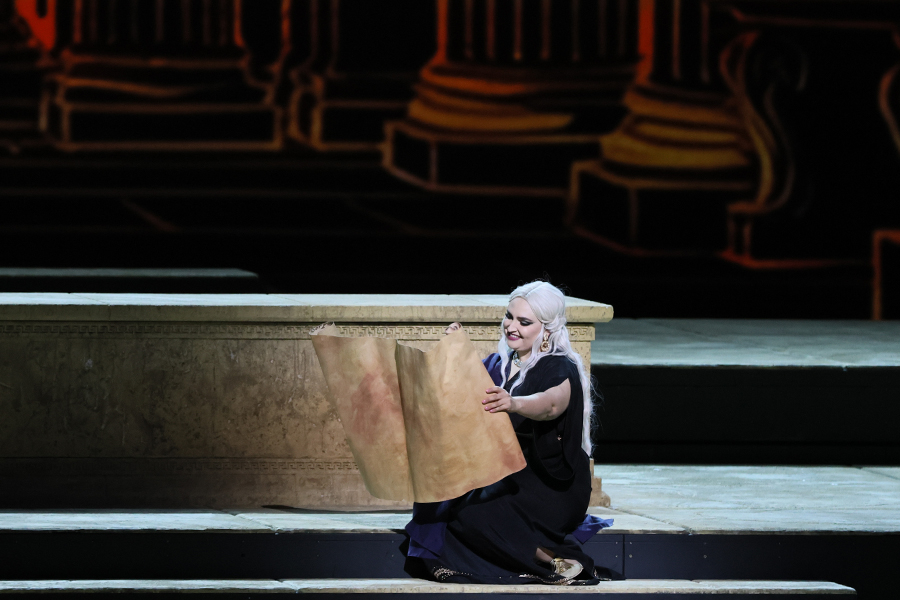
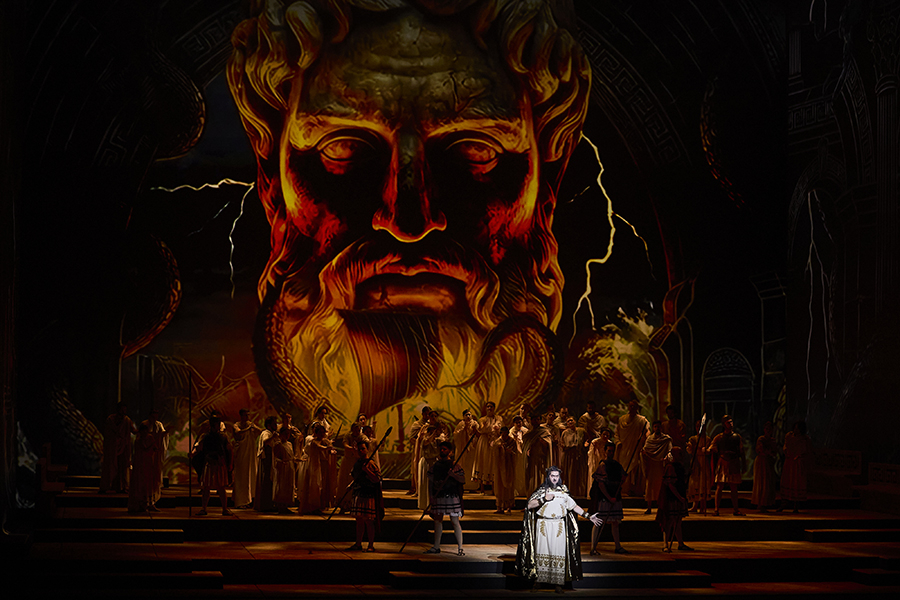
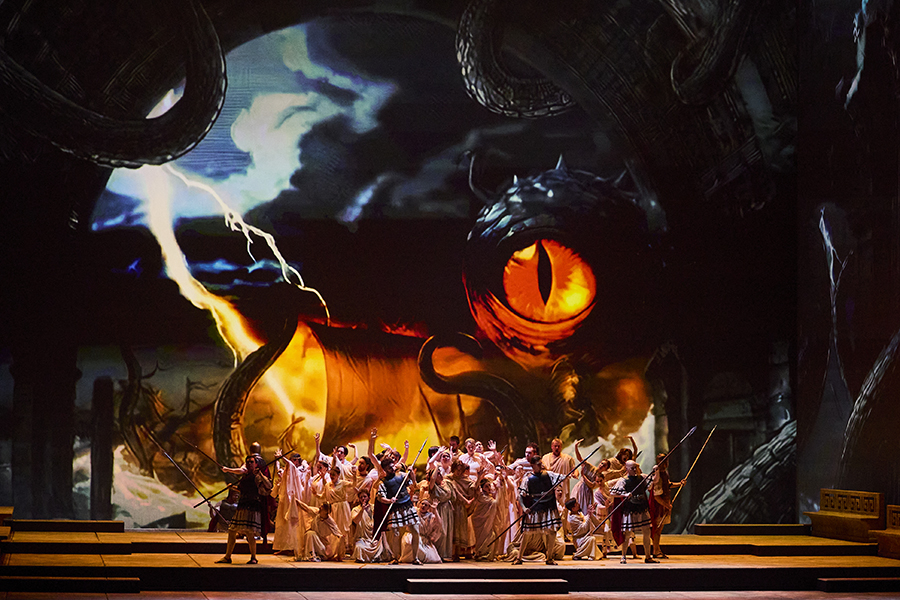
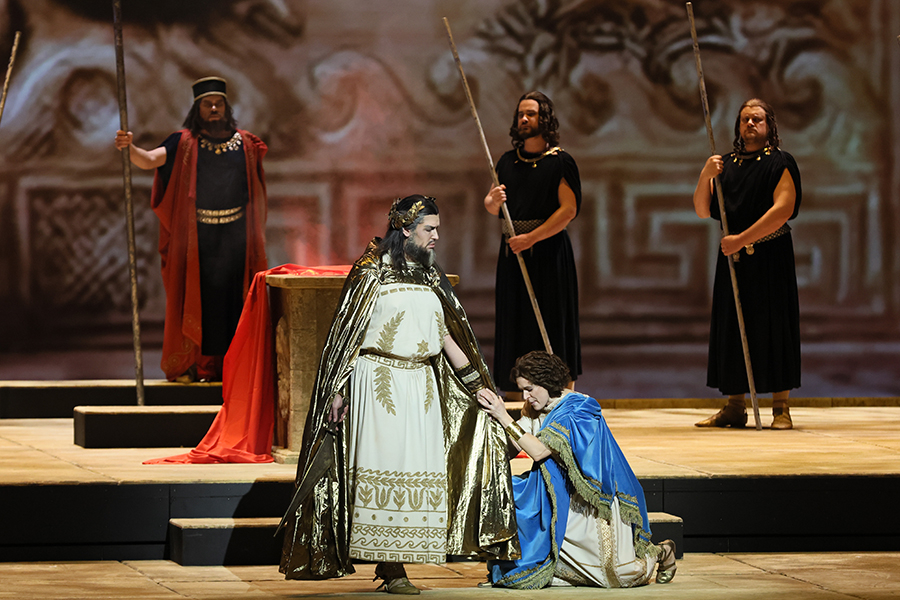
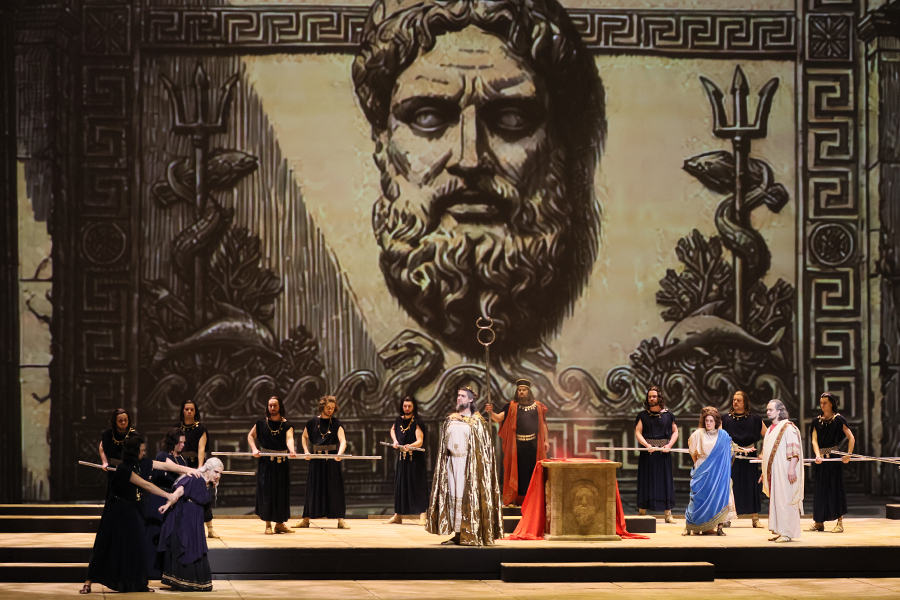
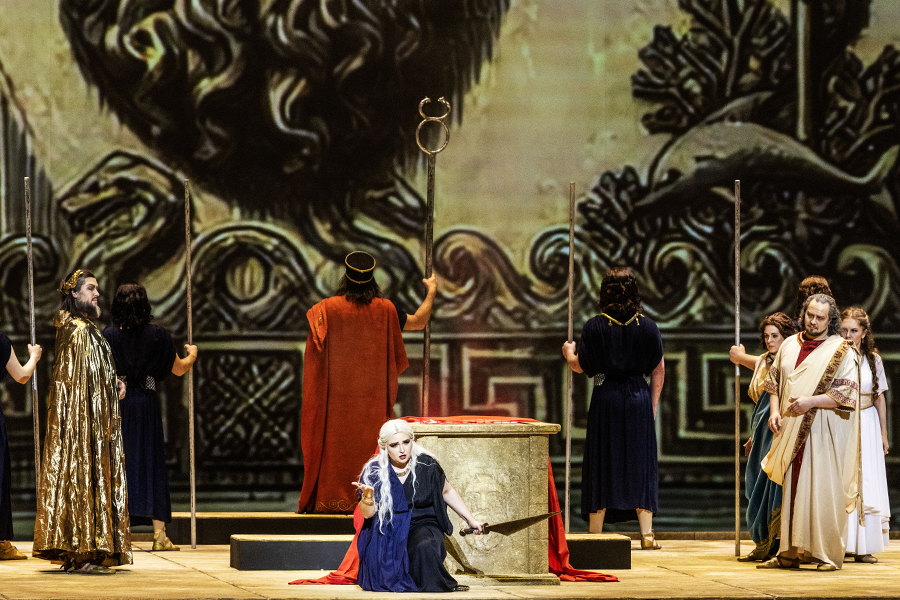
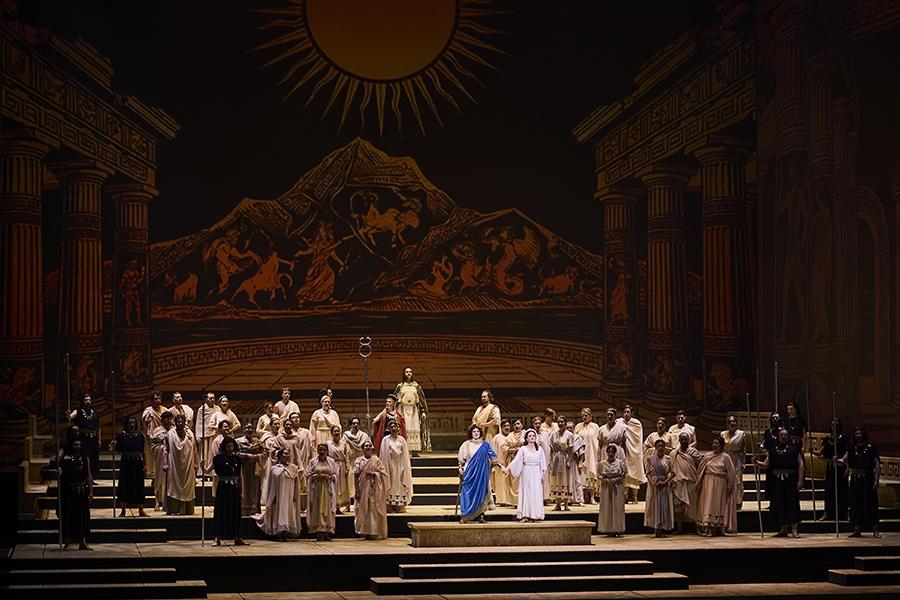
World premiere: 29 January 1781, Residenztheater, München
Premiere of this production: 30 January 2026
Running time 3 hours 40 minutes
The performance has two intervals
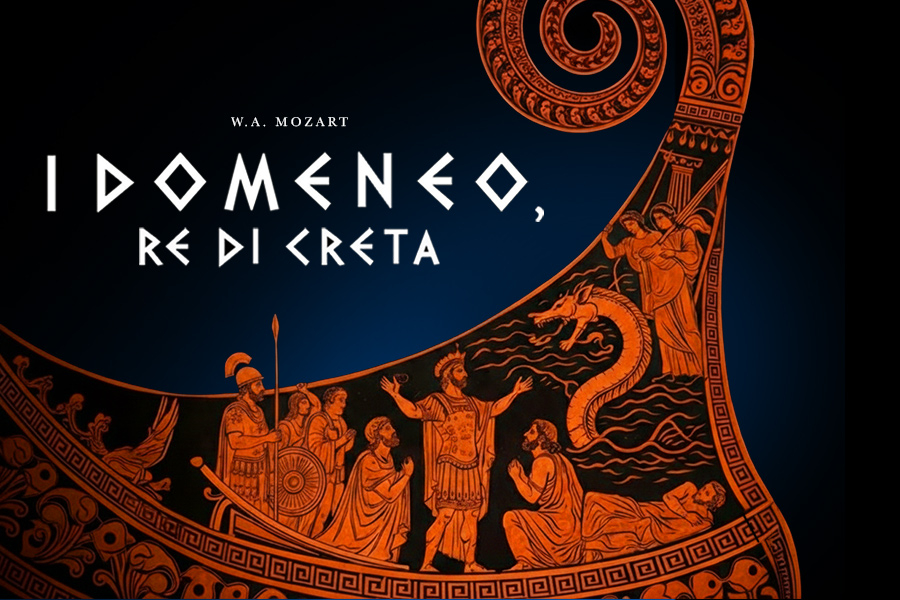
“The music of my opera is for people of any description, except those with excessively protruding ears,” Wolfgang Amadeus Mozart wrote to his father Leopold with pride about Idomeneo. And yet the destiny of this opera was to prove far from simple: the successful premiere in 1781, subsequent numerous productions in the 19th century… and the disappointed verdicts of connoisseurs made in the early 20th century the music is brilliant, but the traditional genre of Italian opera semi-seria had become hopelessly outdated. It was only in the latter half of the last century that the revival of Idomeneo began, and by our own time it had returned to theatres. The legend of the King of Crete, who had almost sacrificed his only won to the God Poseidon, was interpreted as a psychological drama and as an ancient tragedy, as a moral parable, as a play about the conflict of generations, as a surrealist performance about the interrelations of mortals with the otherworldly, as a hot political pamphlet…
Idomeneo is one of Mozart’s most courageous and innovative works. Typically, the composer did not break down the genre of the canon, though he did reinvent it from inside out. In the overture to the opera seria, trumpets and kettle-drums are typical – arguably, this is all plain and evident, but with Mozart the overture is not just a pompous introduction, it is a passionate poem about the resistance between Fate and a victim.
This opera seria consists mainly of high-note arias and occasionally interspersed ensembles; Mozart transformed this “concert in costumes” into a series of psychological portraits and dramatic dialogues. The outwardly shrewish but morally just captive girl Ilia is impossible to confuse with the furious and yet deeply suffering Elettra. Idamante’s stoic nobility denotes a character who is not at all stilted: the young prince is filled with a purely youthful joie de vivre. The dark abysses in Idomeneo’s soul are illuminated by his love for his son. All of these contrasts are spoken of in the ensembles: the tercet in Act II and, particularly, the quartet in Act III, where each of the heroes experiences his or her share of grief and suffering, and Fate predestines each and all of them.
The choral episodes imbue Idomeneo with a truly tragic scale, particularly in the scene of the sacrifice in Act III. Here Mozart openly makes reference to operas by Gluck and even, possibly, surpassed the older maestro in the sharpness of his dramatic feelings.
The traditional happy end with the deus ex machina is also not a given for the conditional opera poses. Here there is Mozart’s sincere belief that the true gods are fair and merciful, and Fate is not quite so blind as it sometimes seems. Larisa Kirillina
Idomeneo first appeared on the Mariinsky Theatre stage in the 2008–09 season. The universal nature of the myth allowed the Austrian creative team, led by director Michael Sturminger, to relocate the opera’s action to the present day. In recent years, as the Mariinsky Theatre has broadened the stylistic scope of its repertoire, it has increasingly turned to the music by Wolfgang Amadeus Mozart.
In 2022 Idomeneo returned to the repertoire and was performed regularly at the Concert Hall in semi-staged versions. Several casts of singers have mastered the exceptionally demanding roles of Mozart’s opera seria in its various editions.
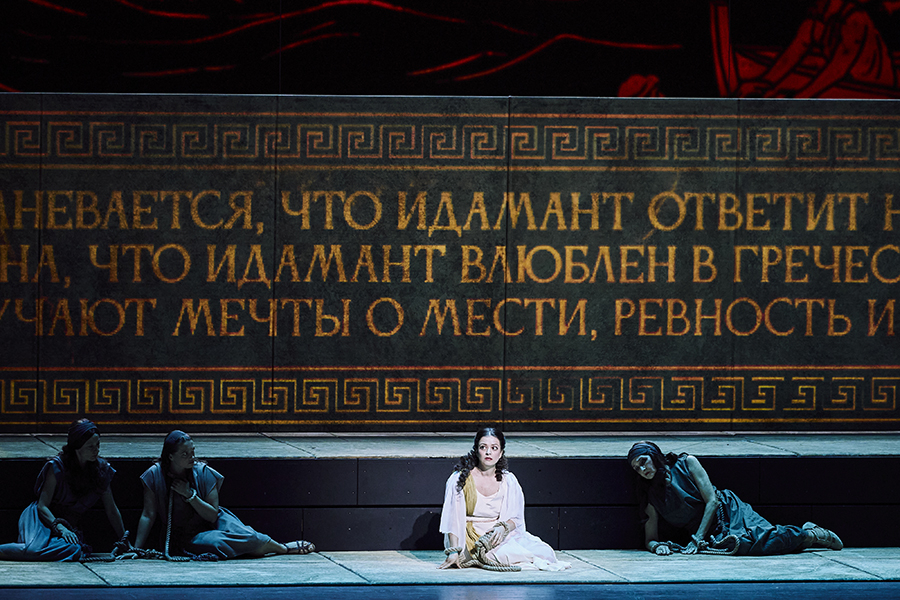
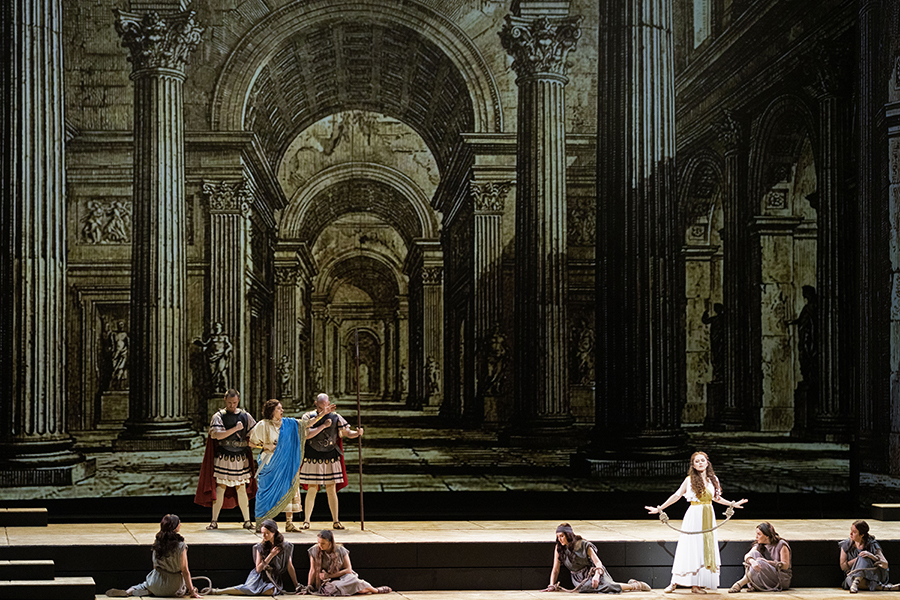
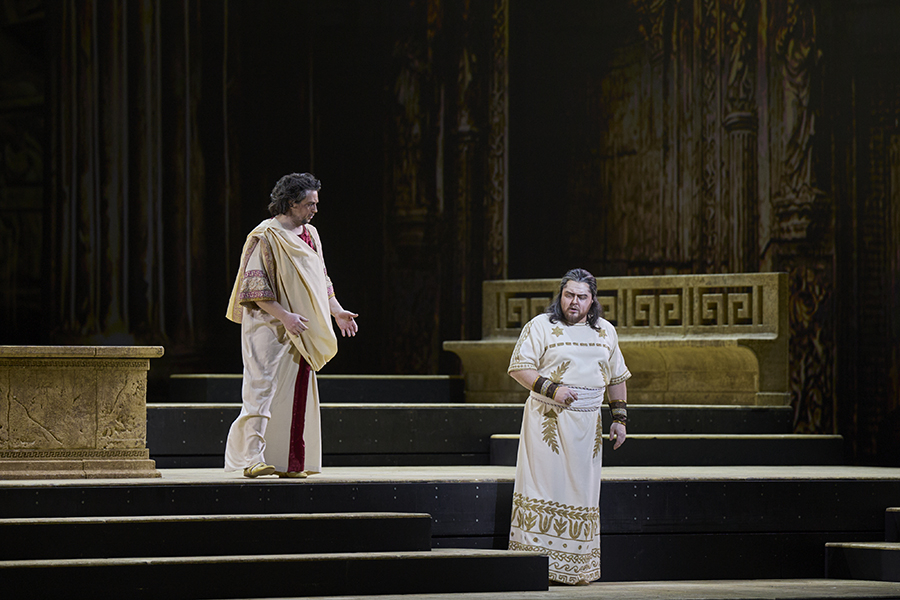
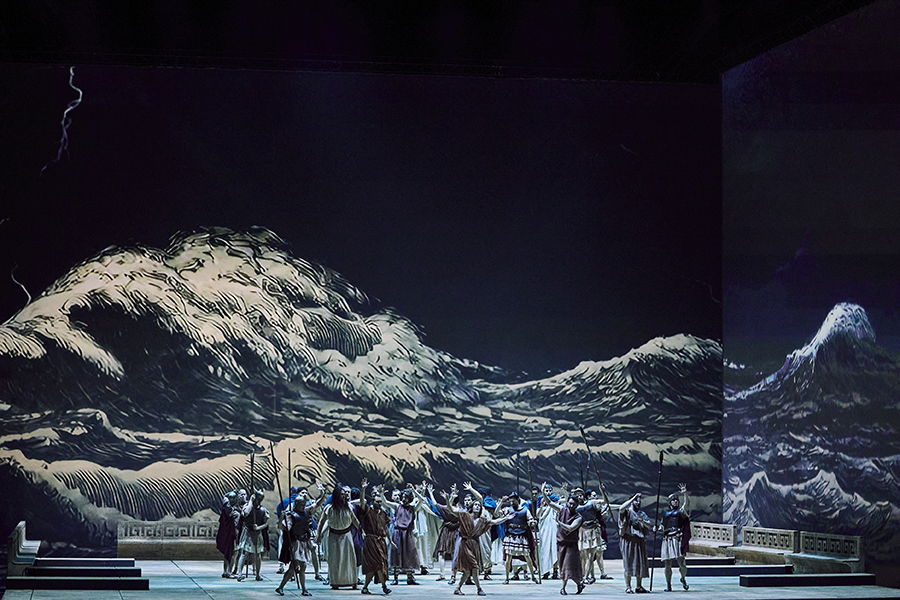
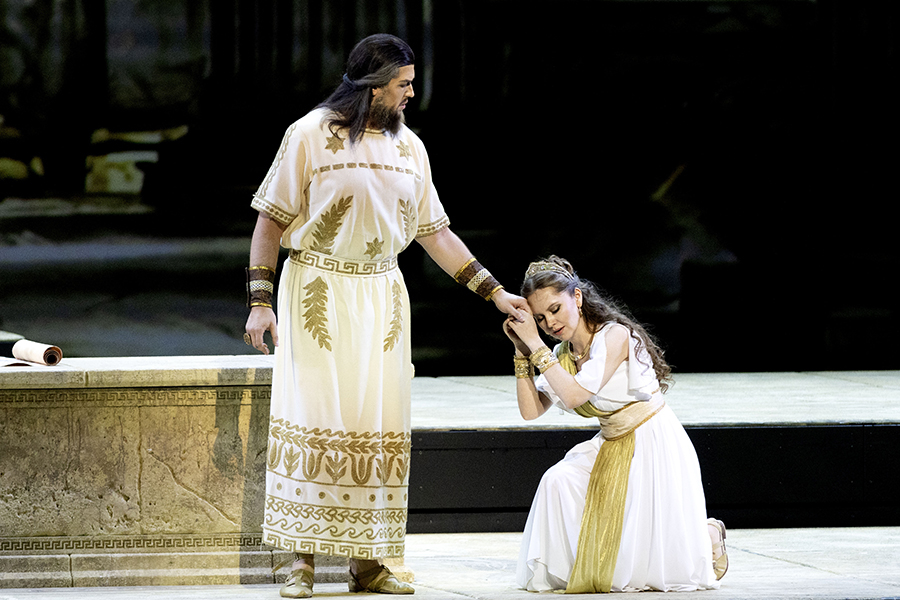
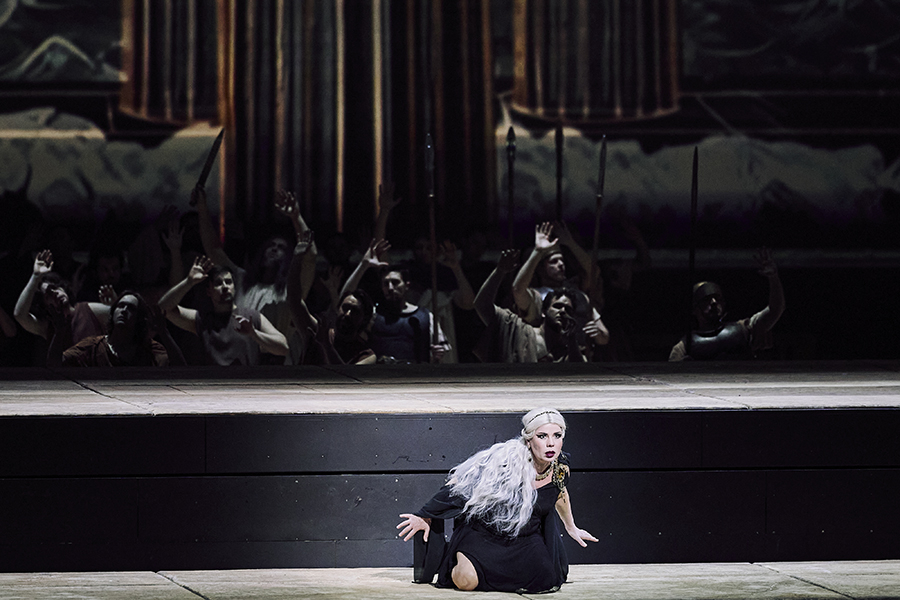
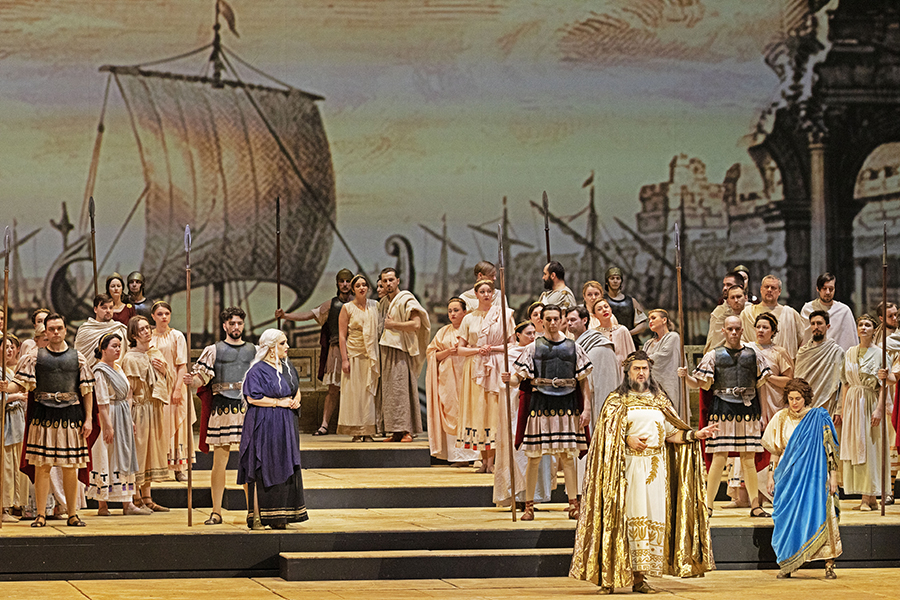
In 2026, 245 years after its world premiere, the Mariinsky Theatre brings Idomeneo to the grand stage of Mariinsky II.





| user_name | | Exit |

The highlighting of performances by age represents recommendations.
This highlighting is being used in accordance with Federal Law N436-FZ dated 29 December 2010 (edition dated 1 May 2019) "On the protection of children from information that may be harmful to their health"


