



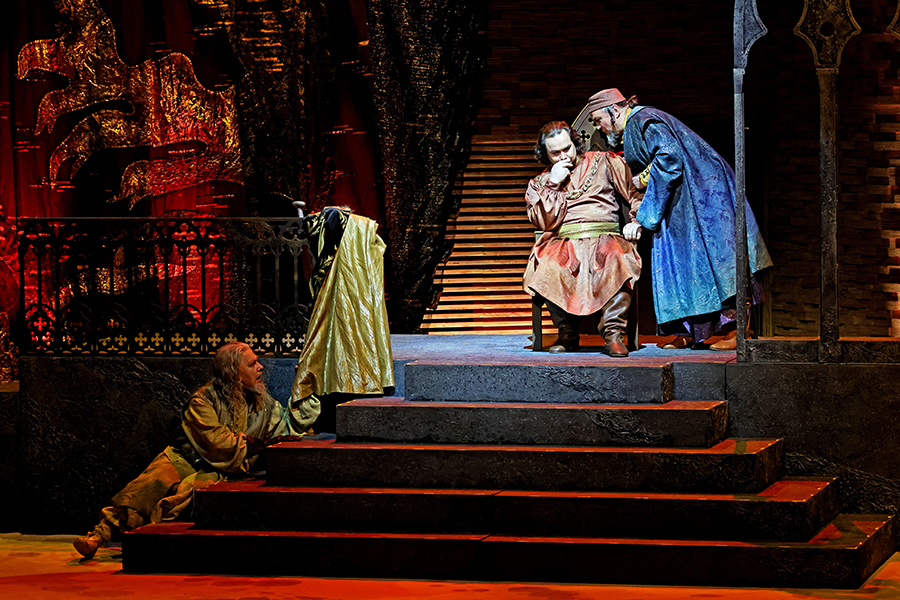
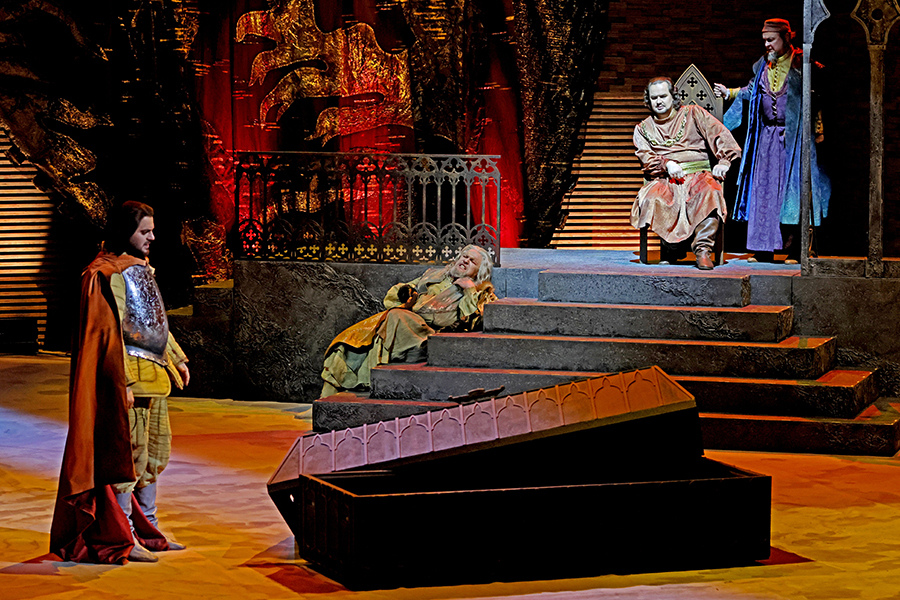
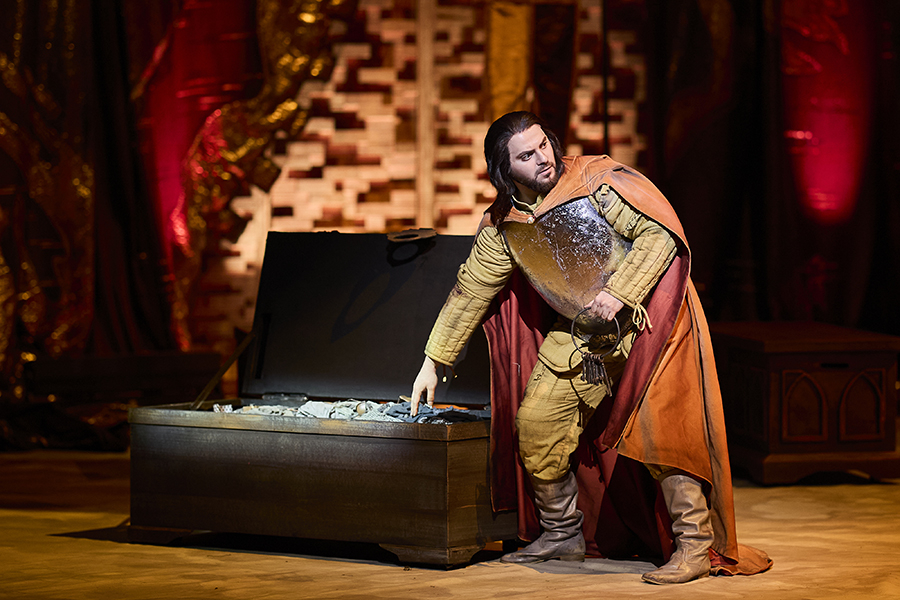
World premiere: 11 January 1906, Bolshoi Theatre, Moscow
Premiere of this production: 22 April 2026
Running time 1 hour
The performance has no interval
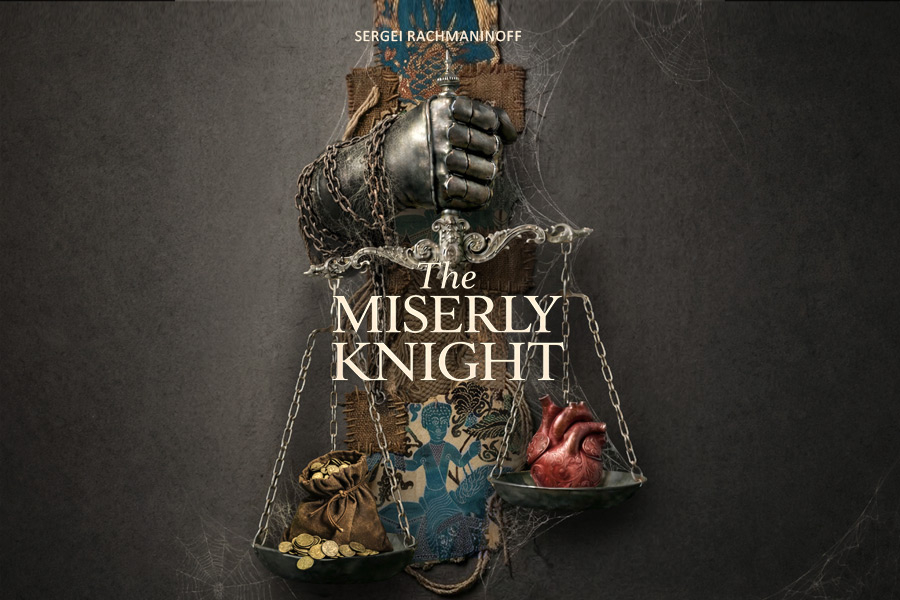
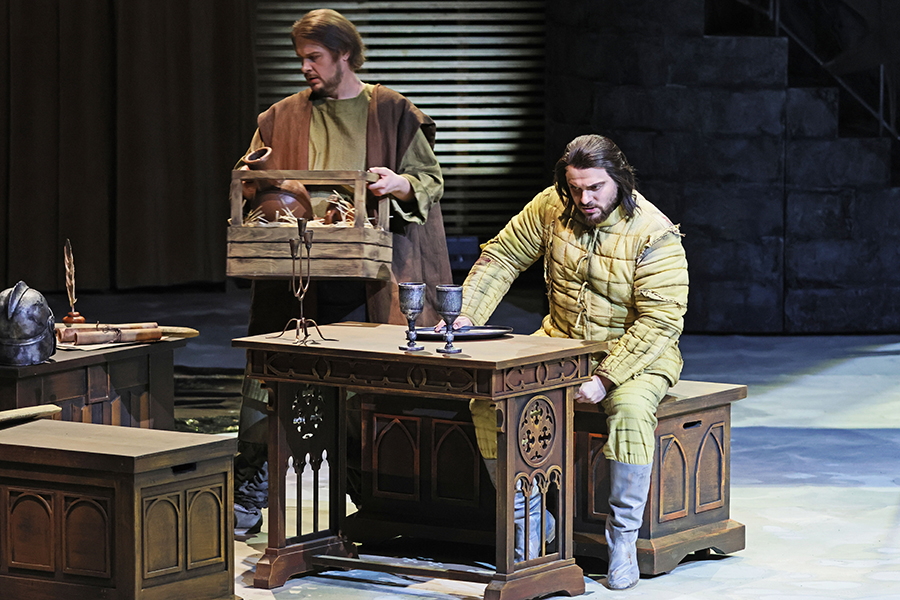
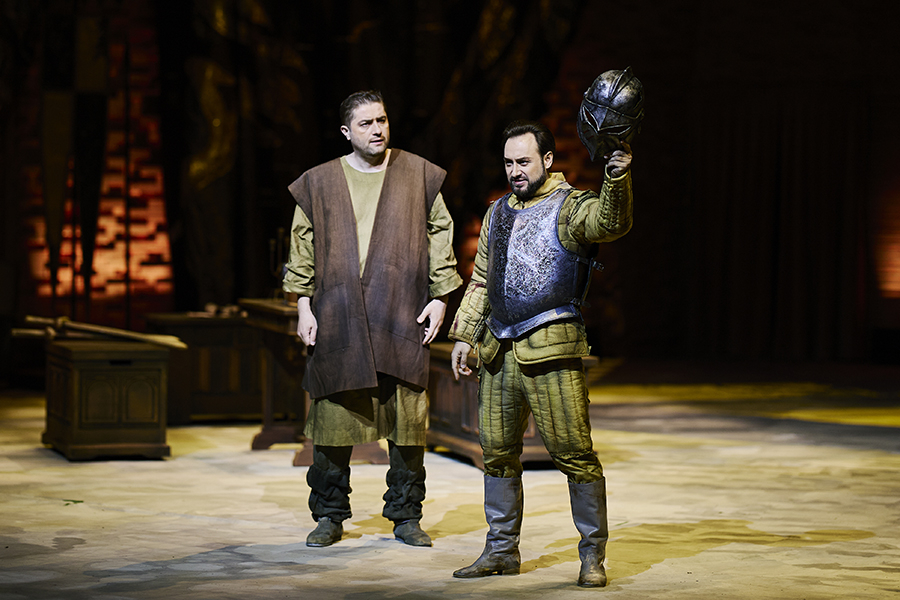
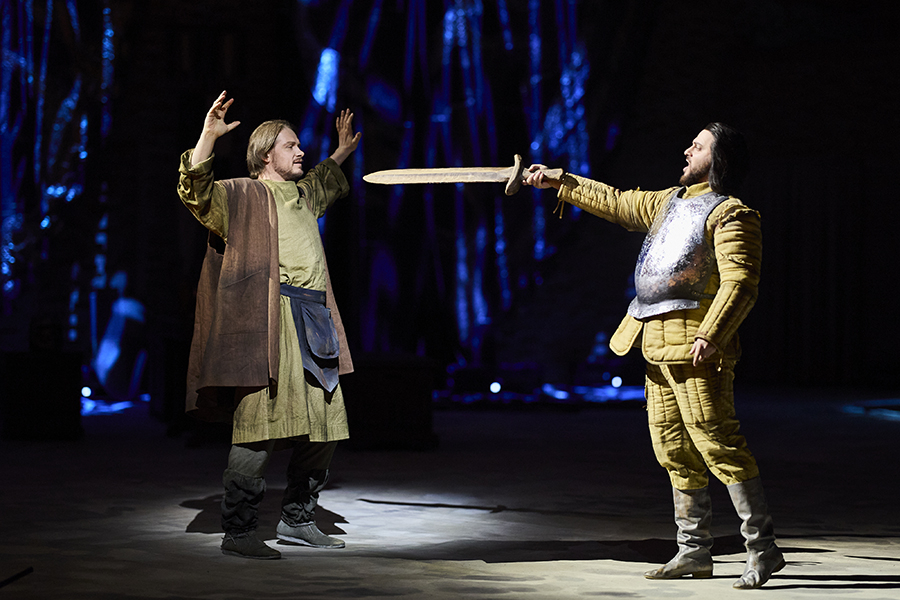
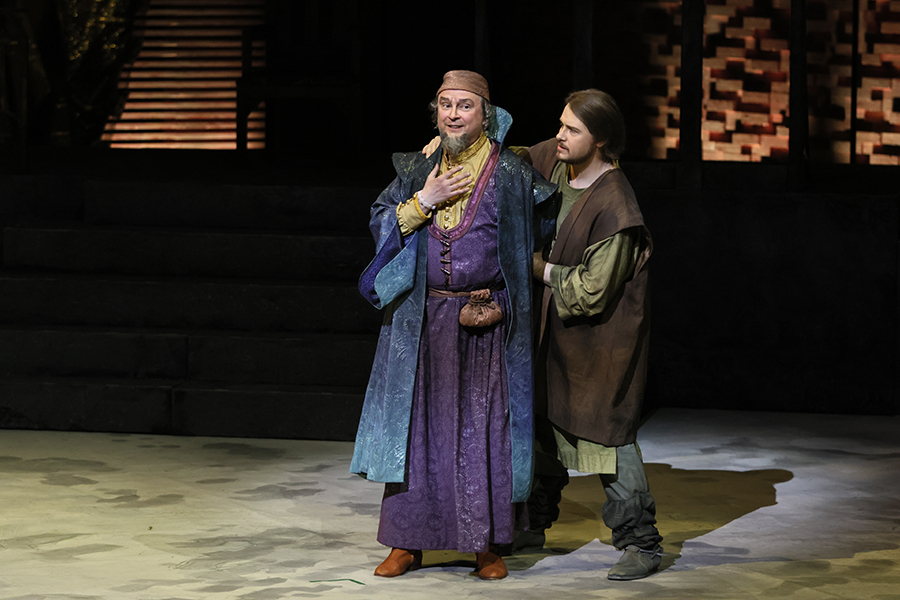
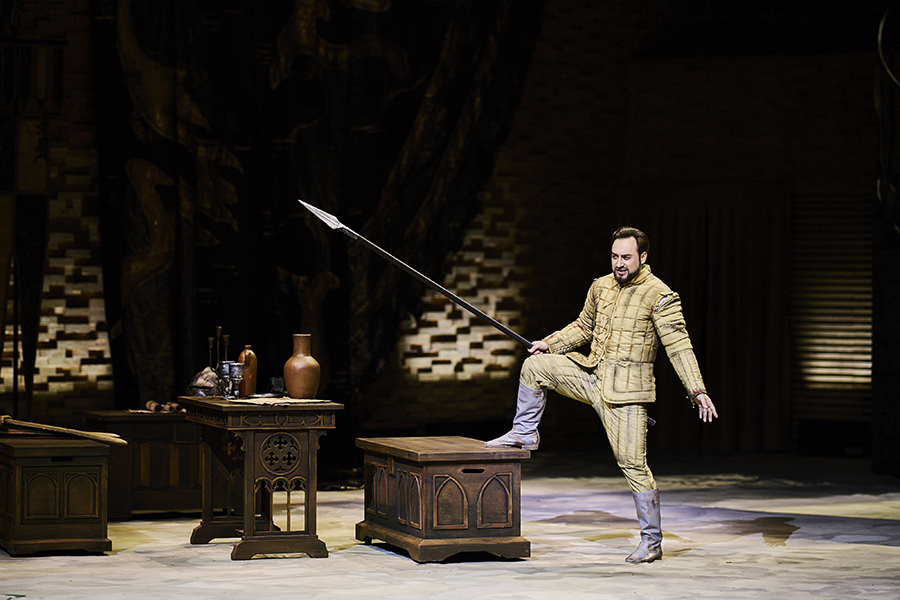
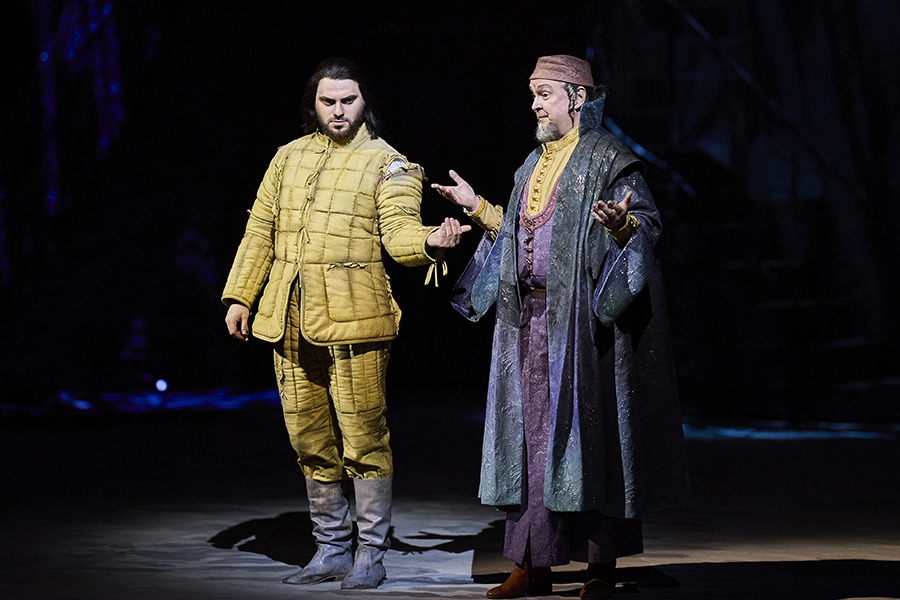
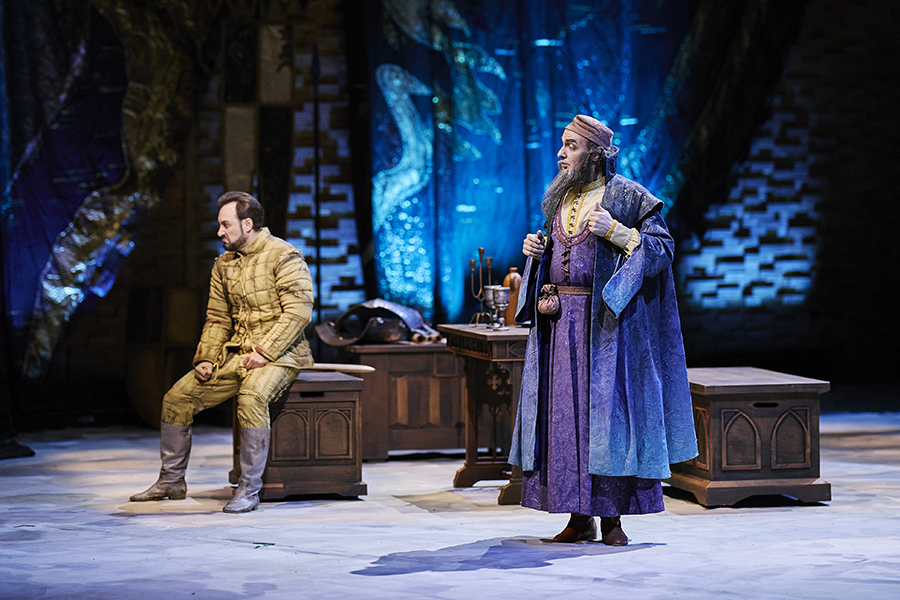
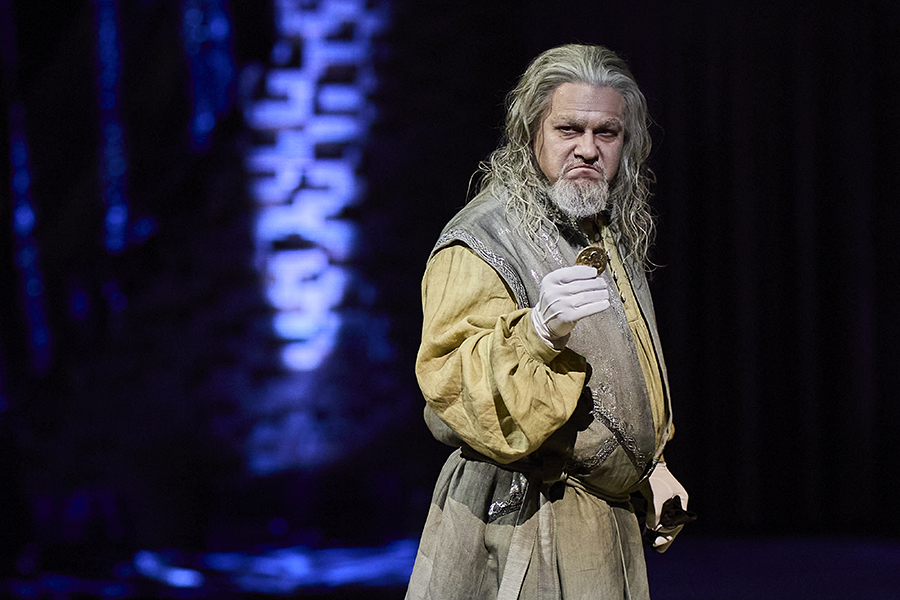
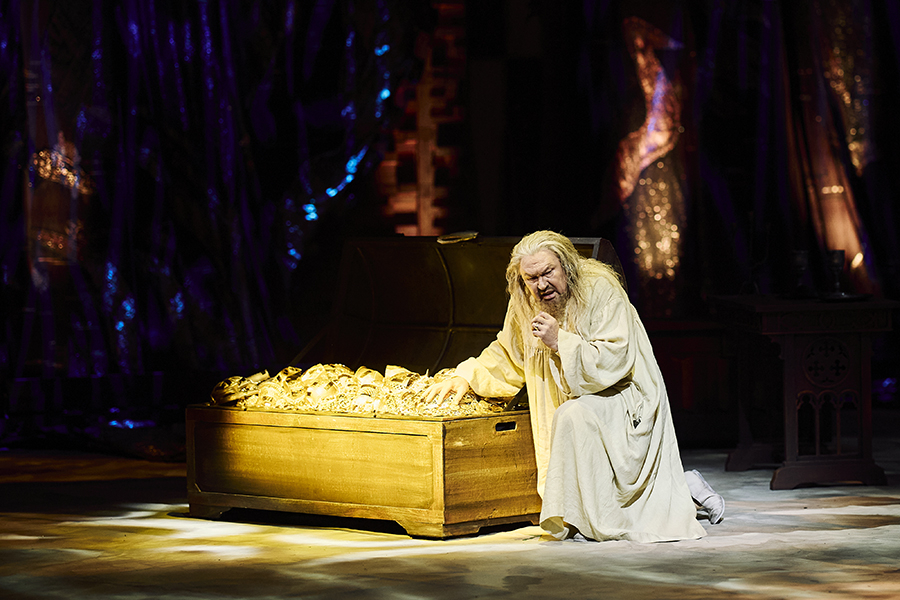
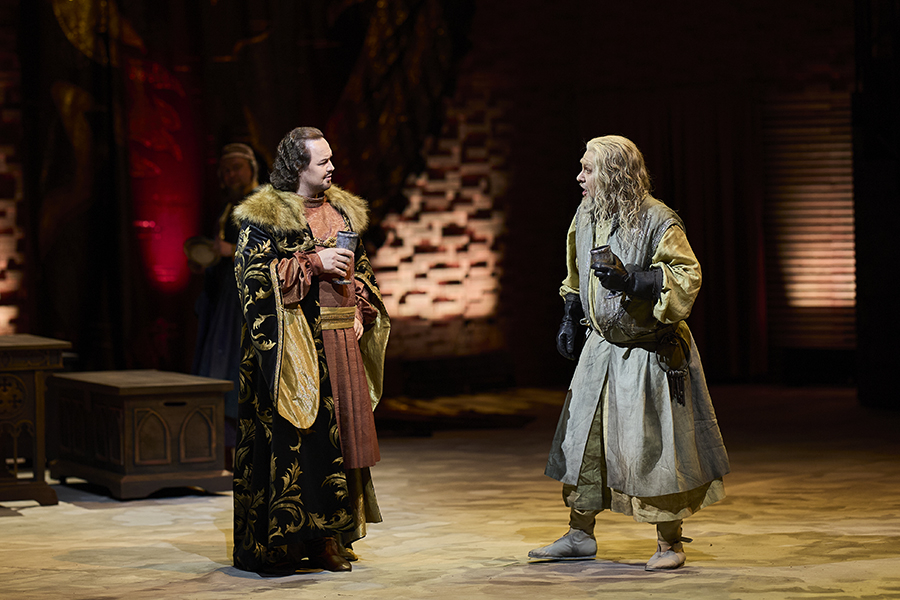
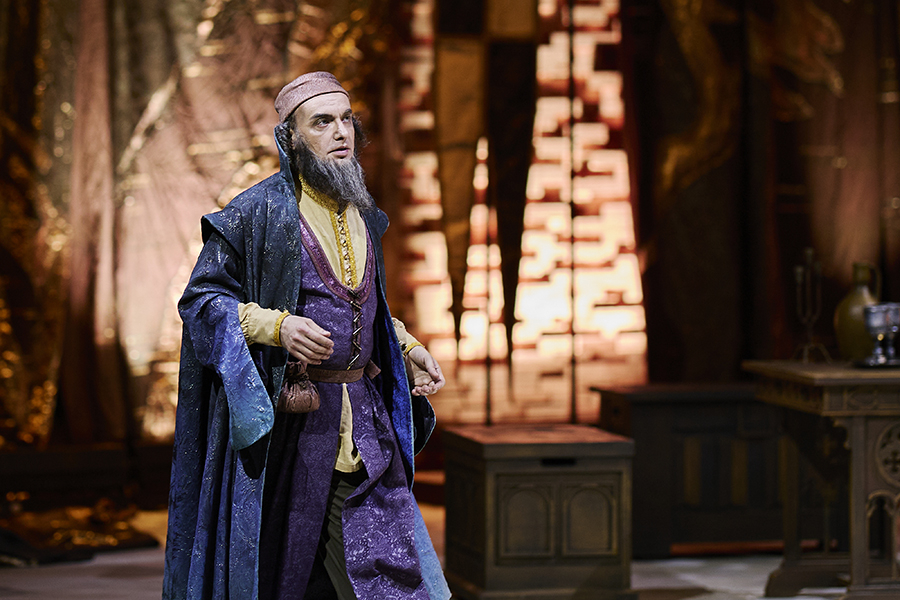
Sergei Rachmaninoff’s The Miserly Knight calls for an unusual cast: two tenors, two baritones and a bass – and not a single female role. Such a line-up remains exceptional in opera. Pushkin never intended his play to become an operatic libretto. He did not even expect these “scenes from a Chelston tragicomedy” to reach the stage. Like the other Little Tragedies, The Miserly Knight was conceived above all for reading. Yet Rachmaninoff chose to transform it into a musical work, following Dargomyzhsky, Rimsky-Korsakov and Cui, who had already set the remaining tragedies to music. Pushkin’s play belongs to the Boldino autumn of 1830; Rachmaninoff’s opera reflects the twilight of Romanticism in 1905. At the turn of the 20th century, composers began to favour shorter stage works in reaction to Wagnerian titanism. Yet the orchestra remained vast and richly coloured. In The Miserly Knight it fully compensates for the monochrome palette of male voices. Rachmaninoff commands an expansive orchestral force: triple winds, harp and an extended percussion section. With this palette he evokes the gloom of a medieval cellar, the flicker of candlelight, the glitter of gold, and the cold sheen of armour. But decoration never stands at the forefront. His true aim lies in psychological depth. Opera has long explored human passions – love, hatred, jealousy, vengeance. Rachmaninoff goes further. He reveals what the lust for gold does to the human soul. At its core lies an even deeper impulse: the craving for absolute power, the desire to dominate all. The composer centres the drama on the Baron, the embodiment of this destructive force. The success of the opera depends on how convincingly this role comes to life. Rachmaninoff dreamed of casting Feodor Chaliapin, but the singer declined to appear at the Moscow premiere in 1906. The role of the Baron presents a formidable challenge. He occupies nearly a third of the opera’s duration, and his emotional range proves extreme. In the second scene exaltation gives way to despair – “now heaven’s rapture, now death’s anguish,” to borrow Goethe’s words. The bass clarinet accompanies the Baron throughout. Its dark timbre carries an otherworldly chill – the same instrument echoes in the barracks scene of The Queen of Spades. Its line moves in the lowest register, while in his imagination the Baron reigns as a king. The orchestra amplifies this illusion. Its brass proclaims a false grandeur – a (pseudo-)heroic climax. Yet the true tragedy emerges elsewhere: not in the Baron’s death but earlier, when he speaks of the cost of his wealth – tears, blood and sweat. Gathered together, they would flood the earth like a new deluge. Wave upon wave, this tide rises until it overwhelms the listener. Alongside the voice of a knight obsessed with honour yet stripped of nobility, one hears another voice – unmistakable, deeply human: the voice of Rachmaninoff himself. Khristina Batyushina





| user_name | | Exit |

The highlighting of performances by age represents recommendations.
This highlighting is being used in accordance with Federal Law N436-FZ dated 29 December 2010 (edition dated 1 May 2019) "On the protection of children from information that may be harmful to their health"


