



World premiere: 3 August 1829, Royal Academy of Music (Salle Le Peletie), Paris
Russian premiere: 21 April 1838, Bolshoi (Stone) Theatre, St Petersburg, under the title Charles the Bold, translated by Rafail Zotov
Premiere at the Mariinsky Theatre: 22 February 1861, under the title Charles the Bold
Russian premiere of the original version: 23 January 1932, Leningrad State Academic Theatre of Opera and Ballet (Mariinsky Theatre)
Premiere at the Mariinsky Theatre: 16 October 2026
Running time: 4 hours 55 minutes
The performance has two intervals
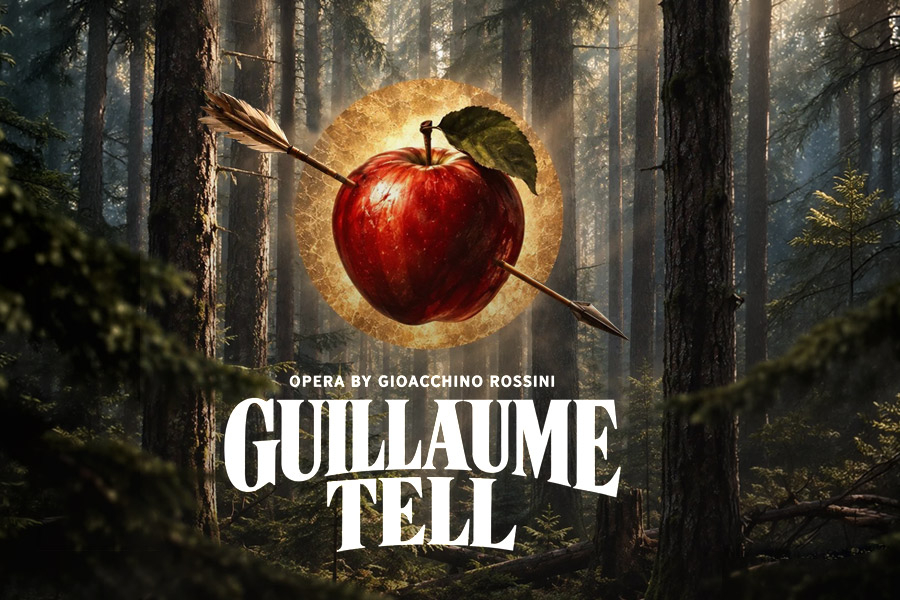
Rossini is a familiar presence in the Mariinsky Theatre’s repertoire: Il barbiere di Siviglia, Il viaggio a Reims, La Cenerentola and L’italiana in Algeri all appear regularly on its playbill. When Pushkin likened Rossini’s music to the golden spray of champagne, he had precisely this lyrical and comic side of the composer’s genius in mind. Yet the “Swan of Pesaro” chose to bring his operatic career to a close with a work of an entirely different order. “Ever the same, ever new,” Rossini created a masterpiece in which sunlit Italian cantilena meets the noble grandeur and theatrical spectacle of the French stage: Guillaume Tell (1829).
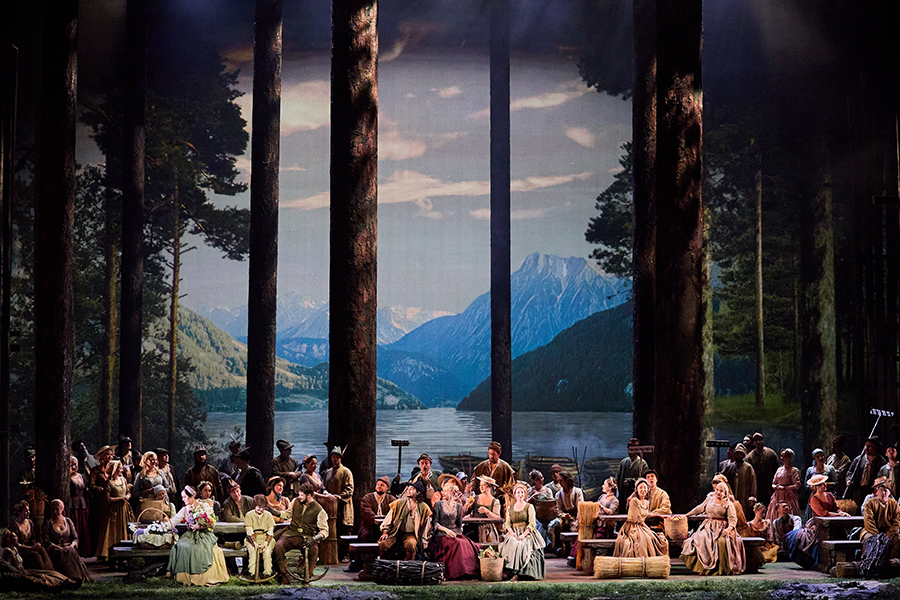
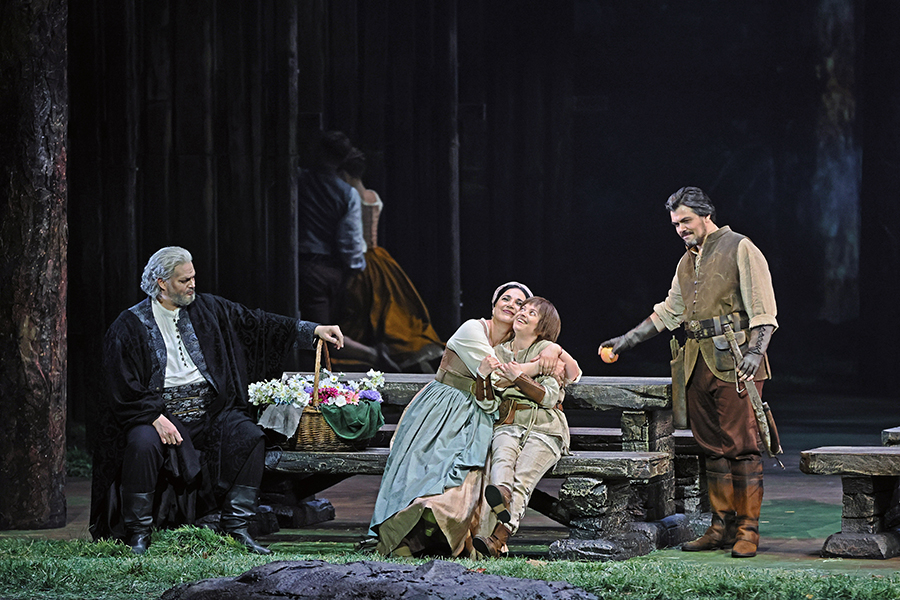
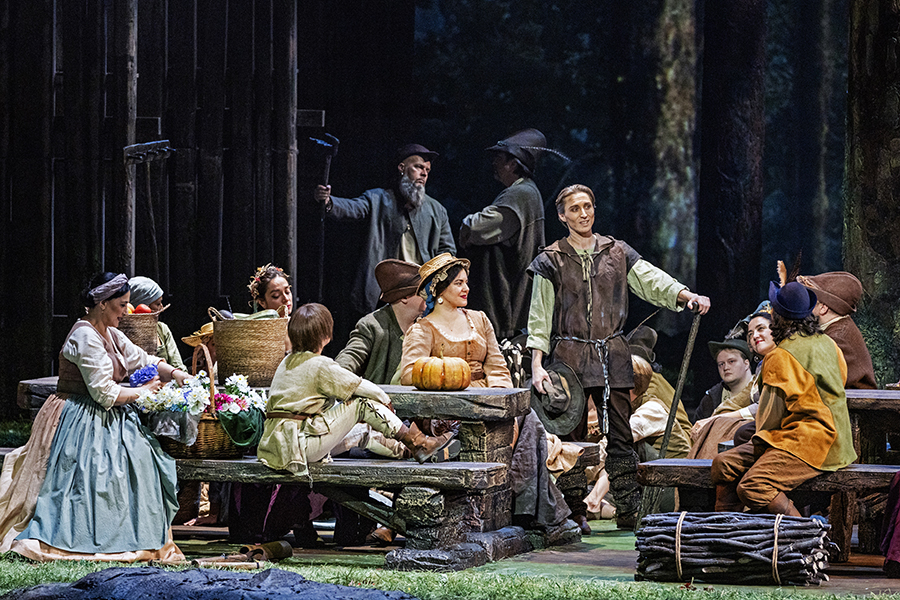
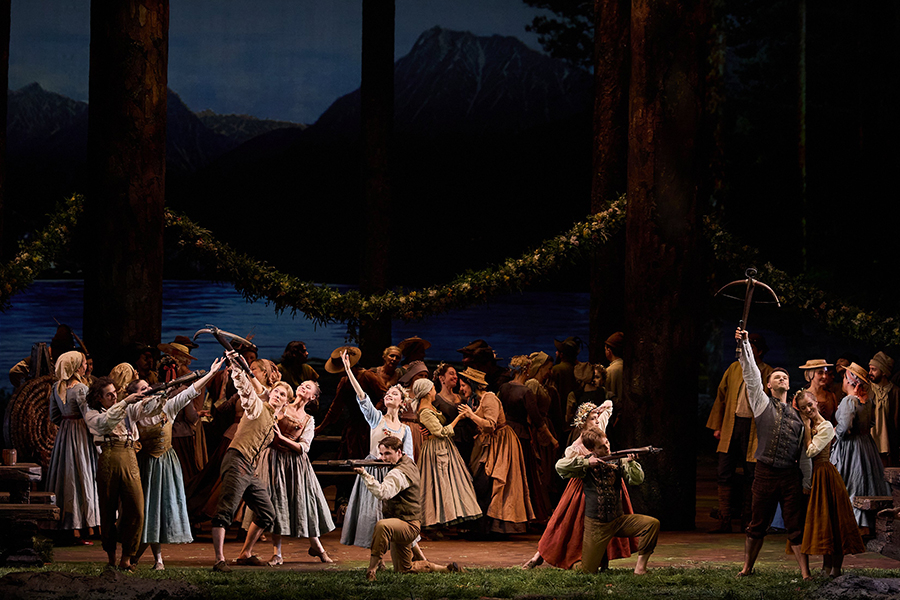
Written in French by an “Italian Mozart”, devoted to a Swiss national hero and based on a drama by a German playwright, the opera is international in origin and profoundly patriotic in spirit. It stands as one of the great monuments of 19th-century music theatre. In scale Guillaume Tell can be compared with Meyerbeer’s vast historical panoramas and Wagner’s epic music dramas. “Europe’s darling” left the world a score that makes exceptional artistic and technical demands on its performers. Although Rossini’s cast of characters is considerably smaller than Schiller’s, the opera itself is no less populous. Of its roughly twenty musical numbers, more than half involve the chorus. The action is set in the early 14th century, as the “Forest Cantons” struggle to free themselves from Habsburg rule. On the surface, the conflict pits the Swiss people against their Austrian occupiers. Rossini, however, goes much further. His Swiss are not an undifferentiated crowd but a complex society made up of distinct communities. Peasants, fishermen, shepherds and hunters all form part of this collective portrait of Alpine life, and each group is given its own musical character. Nor is the title character a superman who defeats the enemy single-handedly. Tell is a leader of his people. Rossini places him within the community from the outset: the hero has neither an entrance cavatina nor an extended showpiece aria designed to display the singer’s virtuosity. His only relatively substantial solo is the arioso Sois immobile. “Stay still,” the father pleads with his son before shooting the apple from his head. Even Wagner, famously unsympathetic to Italian opera, was captivated by the melody, describing it as “free, unfettered, and responsive in countless ways to the meaning of the poetic text”. The love story runs through the entire epic, but its role is essentially secondary. There is no conventional love triangle; its notional third point is Switzerland itself. A Swiss man in love with an Austrian woman must make an agonising choice. Rossini’s demands on the singers taking the roles of Arnold and Mathilde are formidable. Many theatres have been unable to mount Guillaume Tell simply because they lacked a tenor capable, after all the vocal demands of the preceding acts, of tackling Arnold’s Act IV aria Asile héréditaire (“O home of my forefathers”), with its repeated high Cs. Over the course of the evening, Arnold must reach high C nineteen times. The notorious nineteen high Cs are independently documented in specialist sources. For any opera company Guillaume Tell is a formidable undertaking – difficult, demanding and artistically compelling.
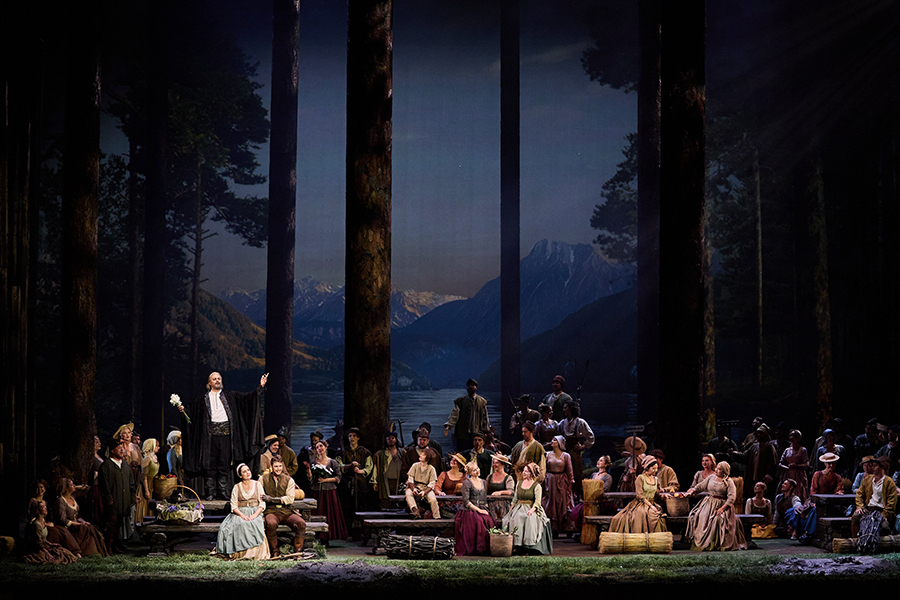
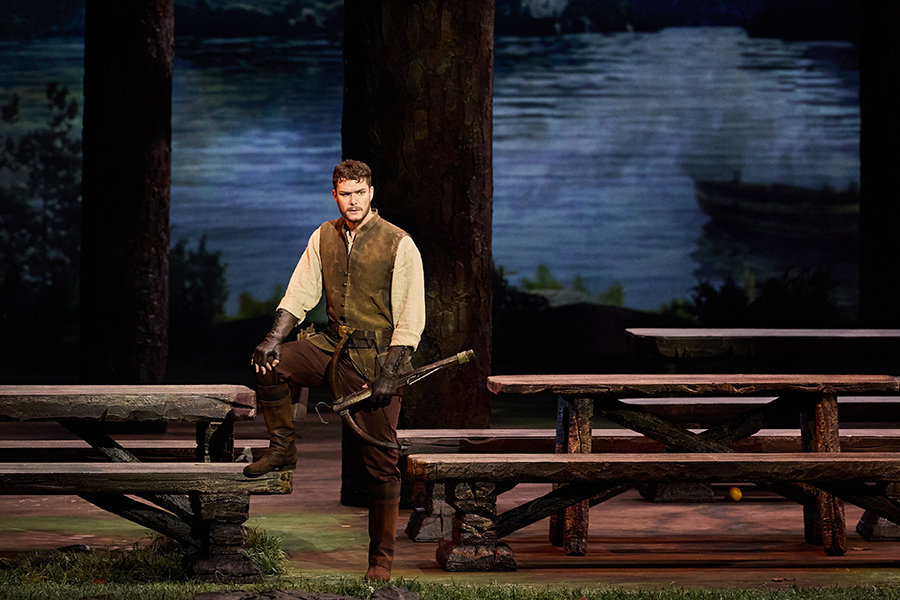
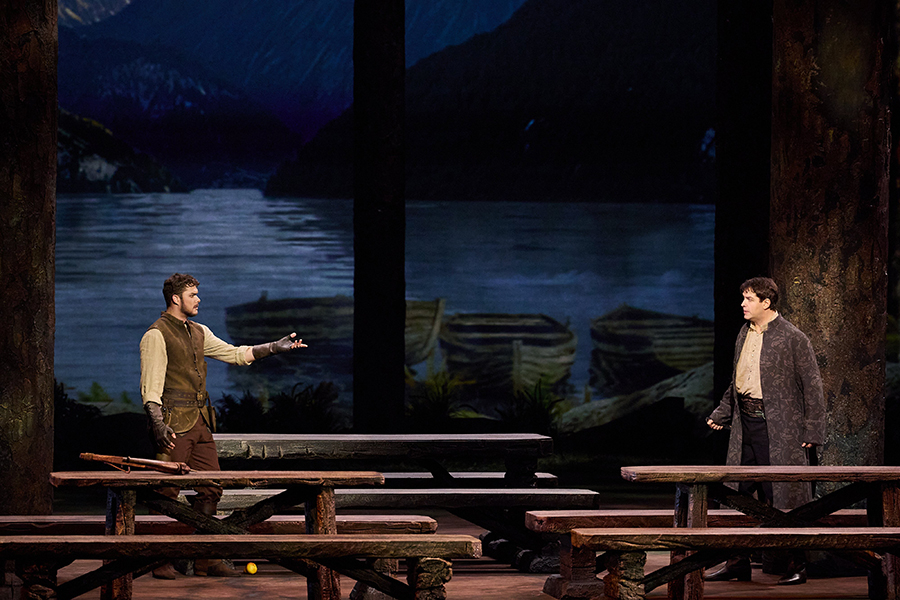
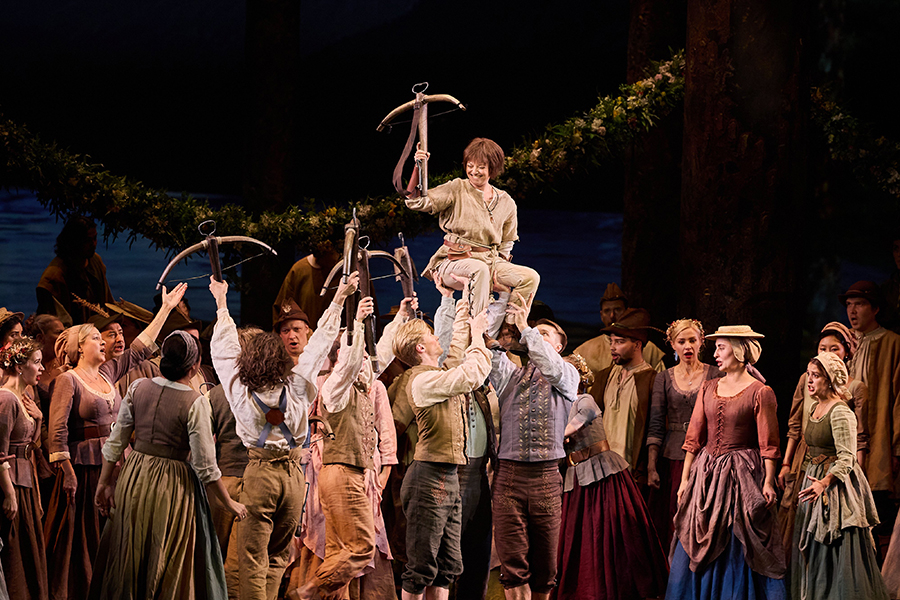
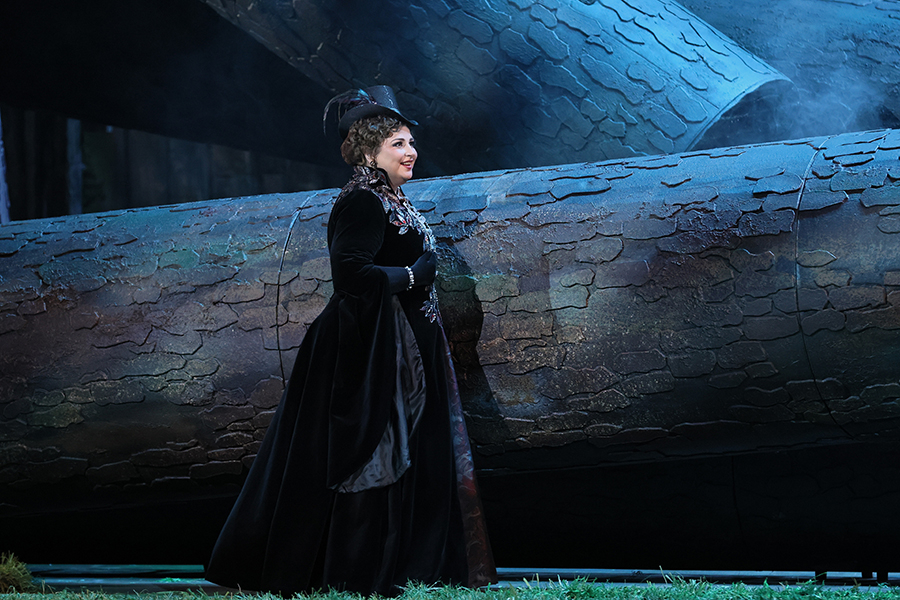
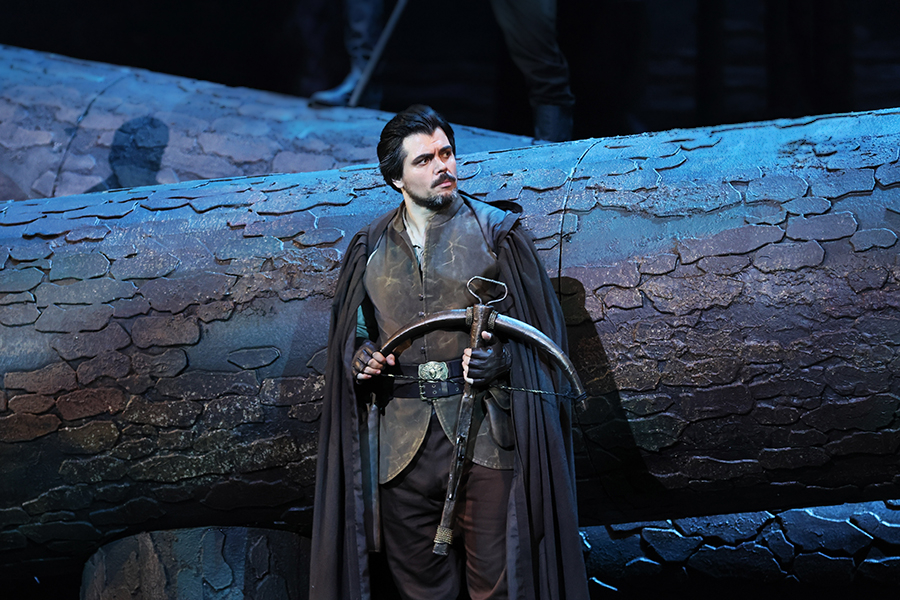
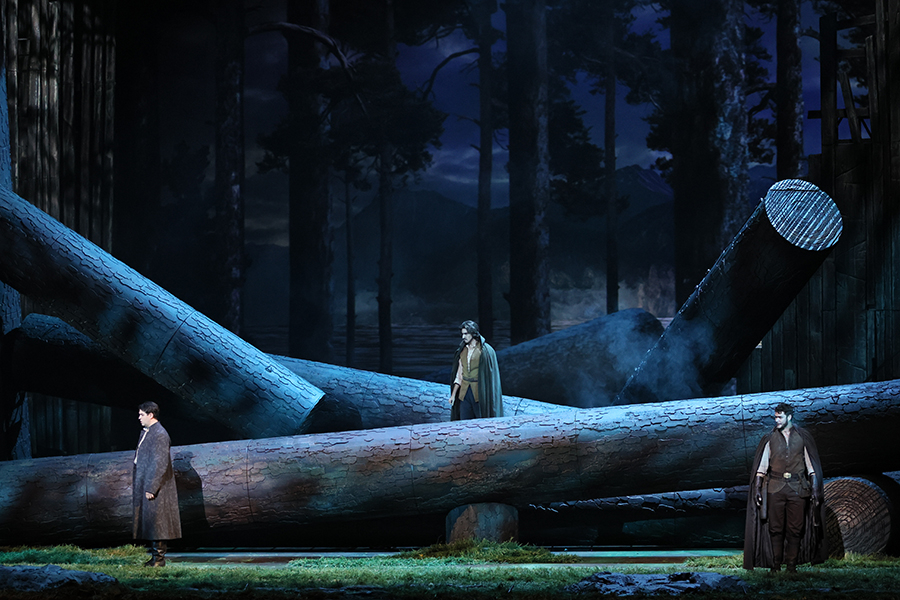
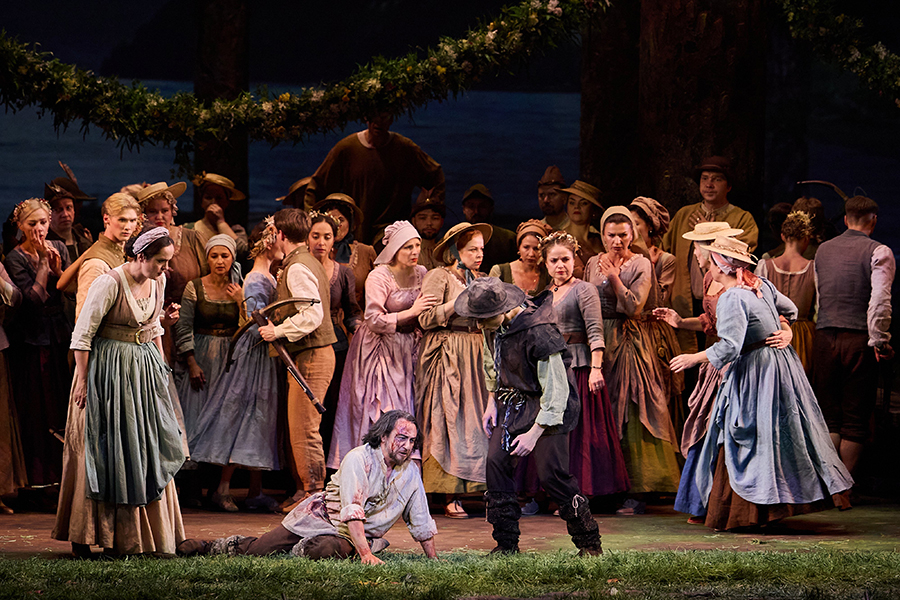
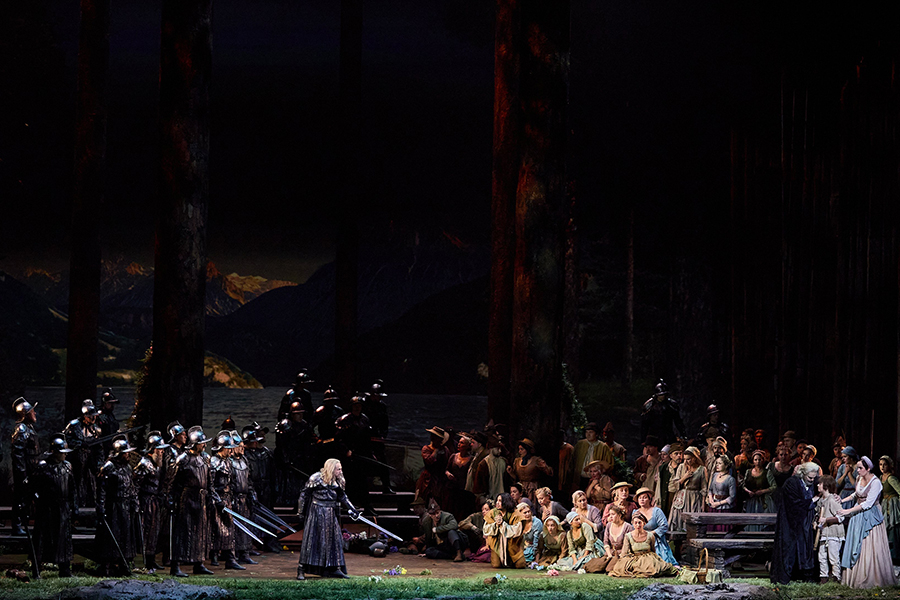
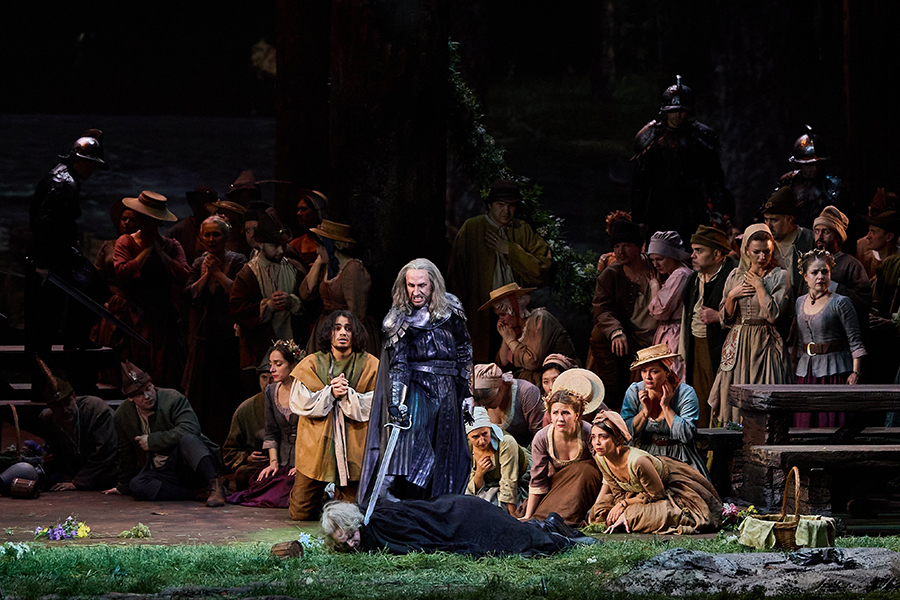
At the Mariinsky Theatre Rossini’s final opera is being staged by the distinguished Italian director Giancarlo del Monaco, whose Aida was one of the highlights of the 2024–25 season and received a Golden Mask award. For the first time in Russia Guillaume Tell is being staged in the original language. The Mariinsky Theatre’s current production page confirms del Monaco as the stage director and gives the new production’s premiere as 16 October 2026. Khristina Batyushina





| user_name | | Exit |

The highlighting of performances by age represents recommendations.
This highlighting is being used in accordance with Federal Law N436-FZ dated 29 December 2010 (edition dated 1 May 2019) "On the protection of children from information that may be harmful to their health"


