





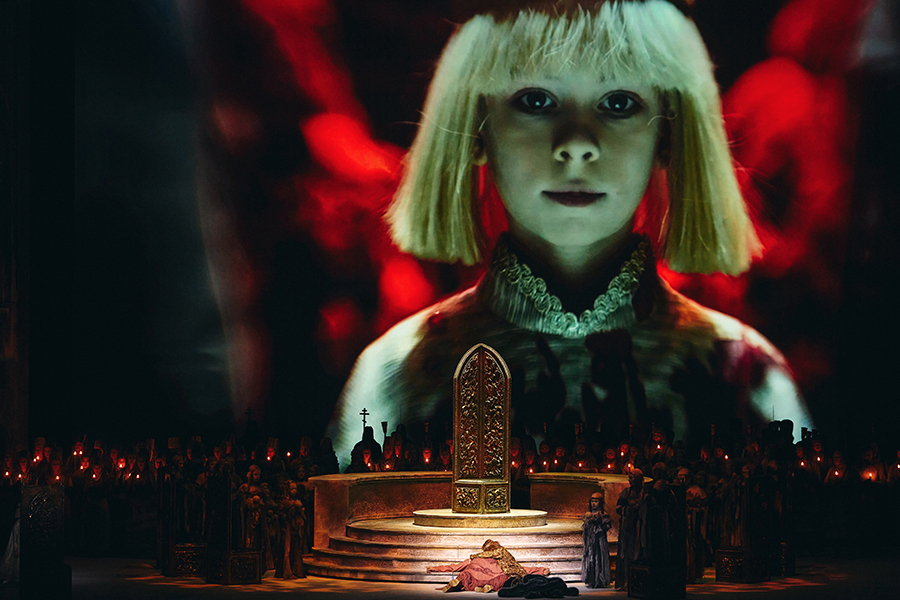
World premiere: 27 January 1874, Mariinsky Theatre
Premiere of this production: 6 February 2026 (revised version of 1869)
Running time: 2 hours 20 minutes
The performance has no interval
Orlin Anastasov, stage director:
I have known Boris Godunov for a long time. I have performed the title role on many occasions. Tsar Boris is an “Everest” – the ultimate summit for any bass. My first encounter with Boris came through Andrei Tarkovsky’s remarkable production, which the Mariinsky Theatre brought to Monte-Carlo. That was where I first met many Russian artists – and now, more than twenty years later, I am able to work with them again. It is an extraordinary experience.
Later I took part in Andrei Konchalovsky’s production, followed by many others. In short, I began exploring the figure of Tsar Boris in my youth and continue to study him to this day. Naturally, I know the entire score in detail, in its various versions.
Musorgsky’s opera is one of my absolute favourites. I am particularly drawn to the first version – the one rejected because it lacked a love story and for several other reasons. When maestro Gergiev invited me to stage Boris Godunov, the question immediately arose: which version? I proposed the first version – without an intermission, two and a half hours of uninterrupted music, with no curtain breaks. Audiences in St Petersburg already know from Ernani, which I staged at the Mariinsky Theatre last season, that I dislike pauses for set changes, when the audience has to sit and wait for five minutes at a time. That kind of interruption dissipates the energy.
Staging Boris Godunov in St Petersburg, at the heart of Russian culture – and on the main stage of the Mariinsky Theatre, where the opera was first performed – is an immense responsibility and a serious challenge. As a Bulgarian, I belong to a Slavic people closely related to the Russians, and I hope that I understand the Russian soul. Without that understanding, interpreting Boris would be extremely difficult.
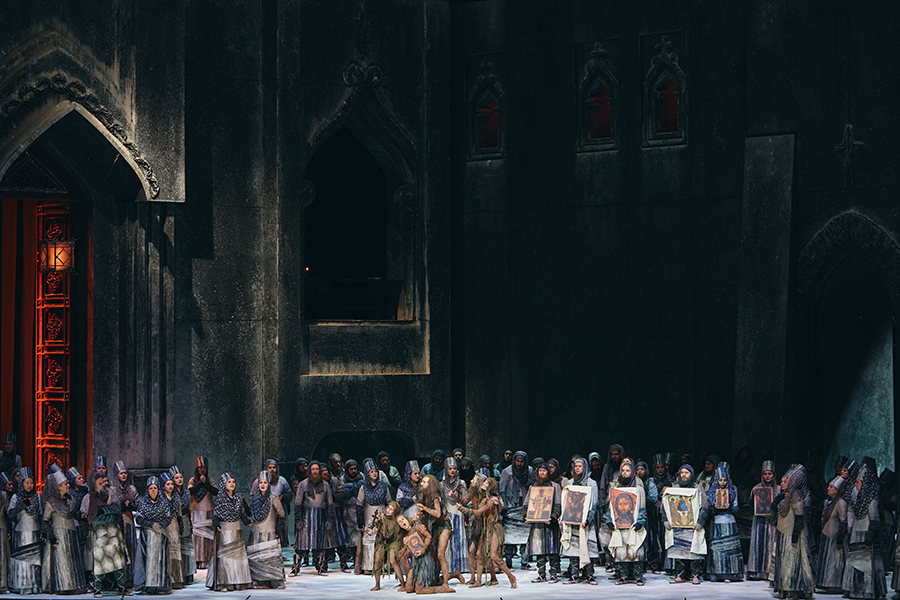
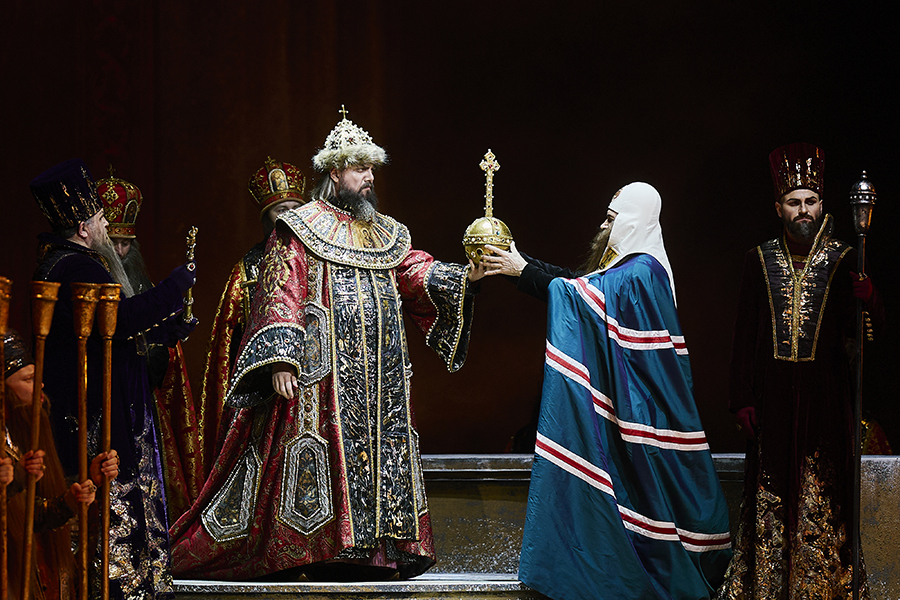
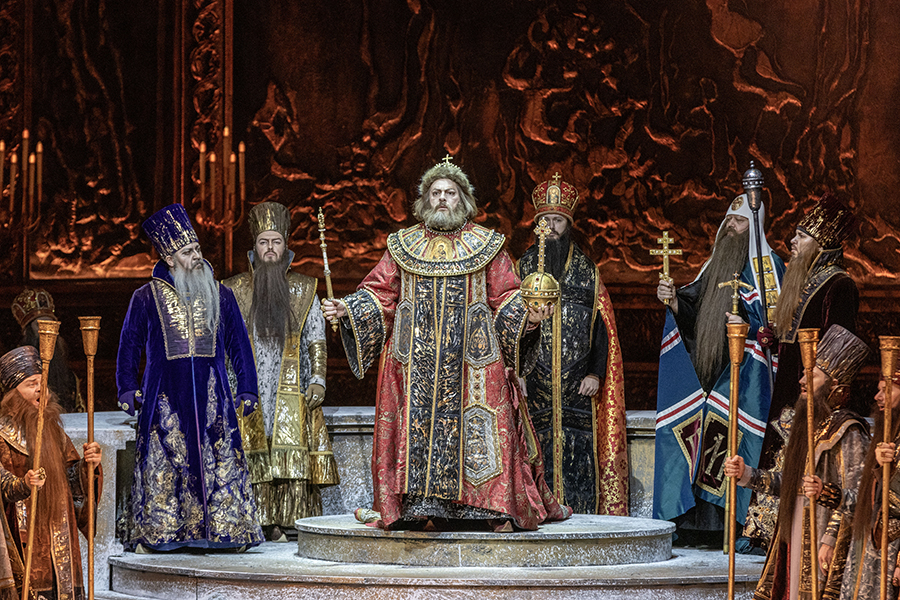
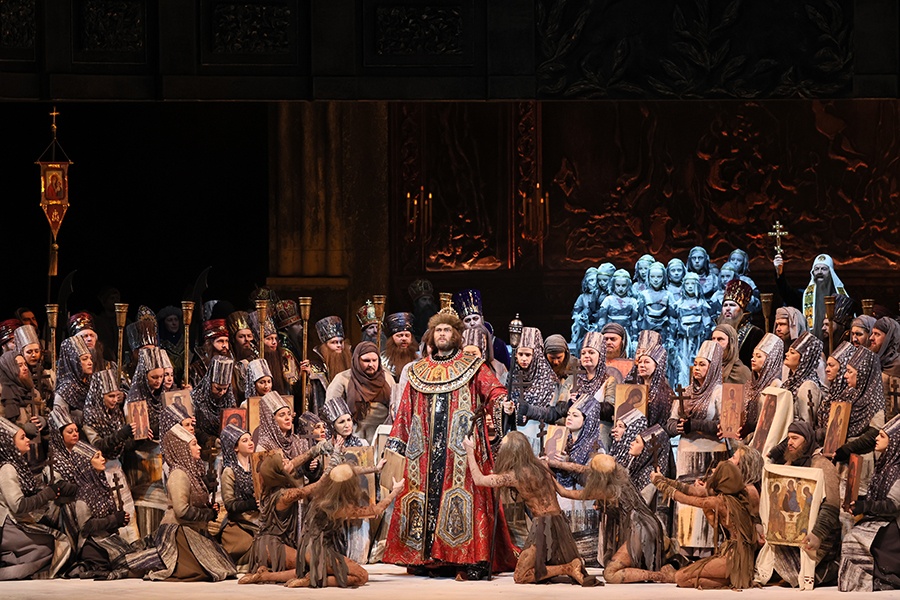
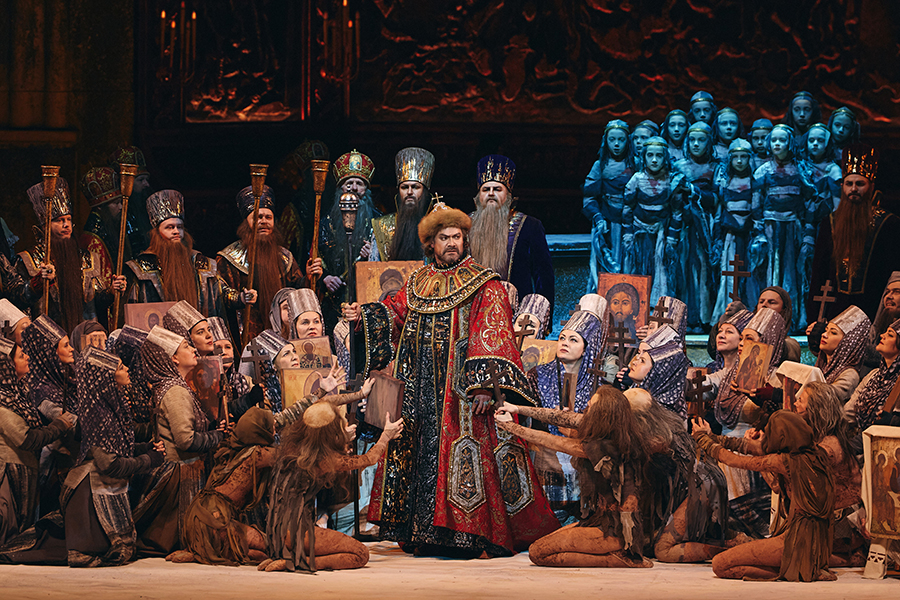
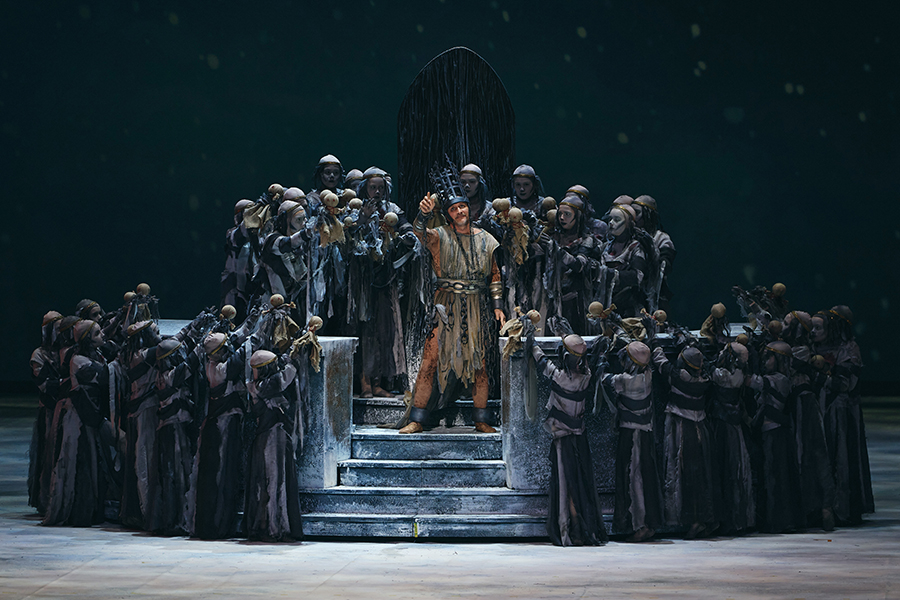
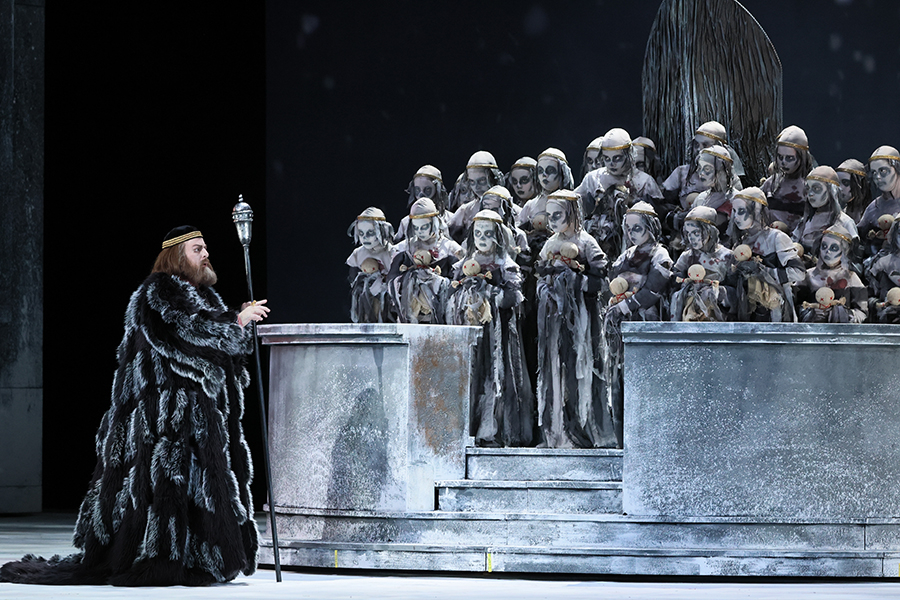
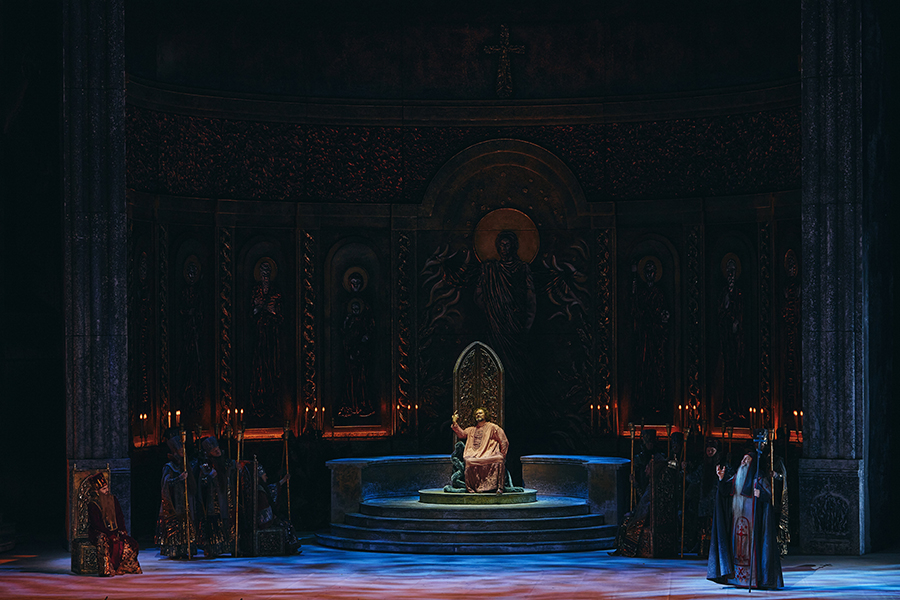
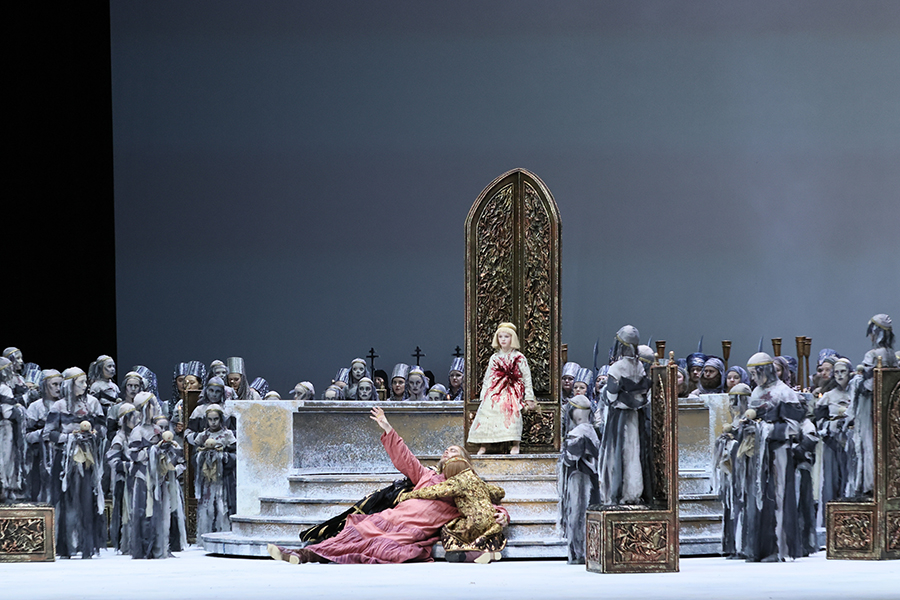
Because the time and place of the opera are clearly defined, I had no desire to transpose them elsewhere. We are working with the first version, which means there is no Polish Act and no Kromy Scene. Even so, the production will be large-scale: alongside the soloists, it involves a massive chorus, fifty children and an equal number of supernumeraries. To give the audience a sense of direct involvement in the unfolding events, we will move into the stalls several times. Yet the figure of the Tsar always remains at the centre.
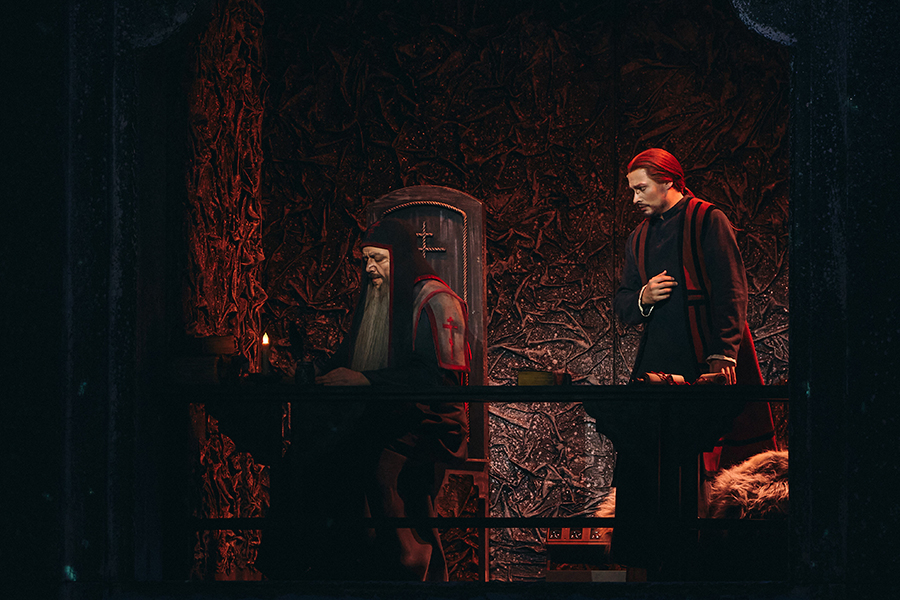
My concept is to tell the story through Boris’s eyes, making use of contemporary tools such as video projections. I want to reveal every facet of Boris Godunov’s deep, tormented soul and to offer the audience keys to understanding it. I do not propose ready-made answers. Who is right, who is guilty – let the audience decide. And let their judgments not be hasty, for Boris is an extraordinarily complex figure, one whose new dimensions emerge again and again. He is a truly exceptional character. In opera, people often die – by the knife, by poison – but it is exceedingly rare for someone to die from the torment of conscience.





| user_name | | Exit |

The highlighting of performances by age represents recommendations.
This highlighting is being used in accordance with Federal Law N436-FZ dated 29 December 2010 (edition dated 1 May 2019) "On the protection of children from information that may be harmful to their health"


